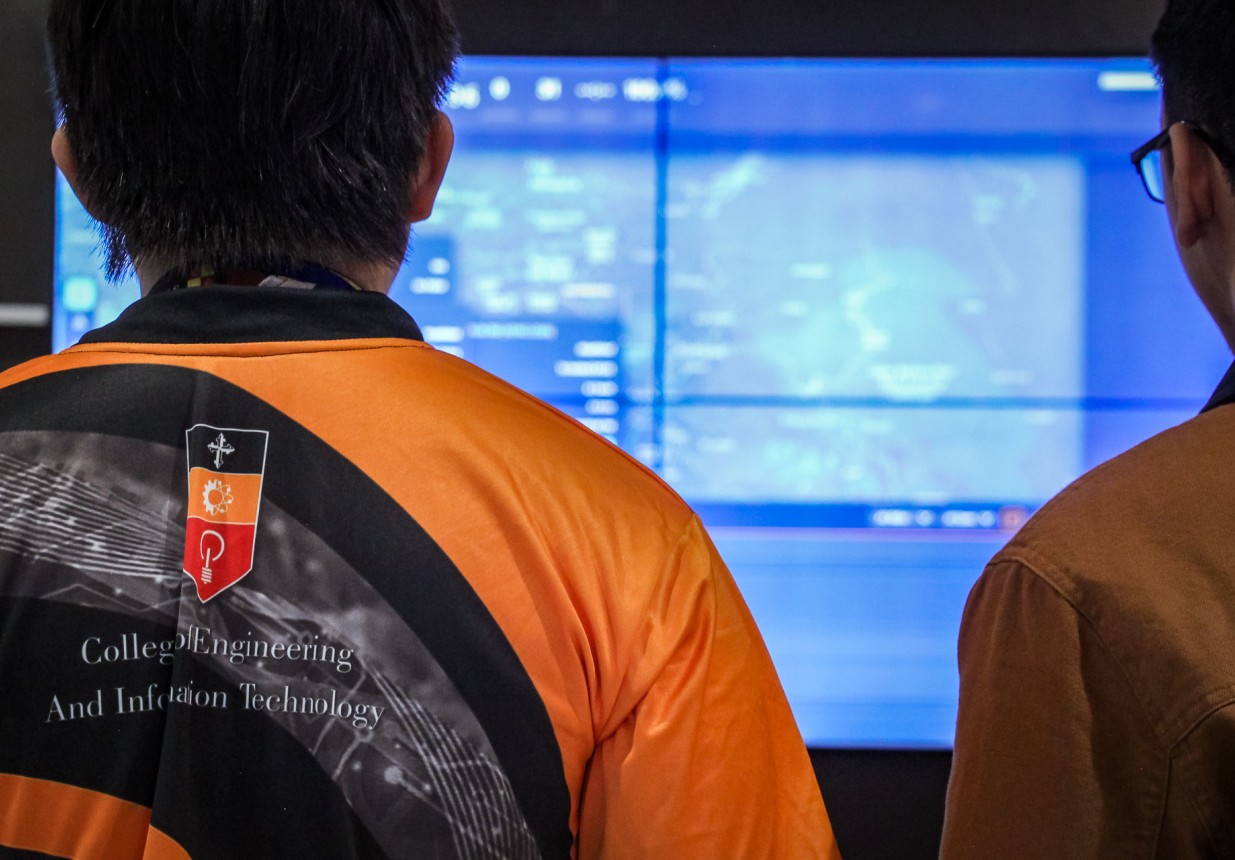
What does the infrastructure powering connectivity for Filipinos actually look like up close? At the PLDT Innolab, it’s not just diagrams and theories — it’s systems in motion.
Students from Siena College of Taytay (SCT) in the province of Rizal and Notre Dame of Marbel University (NDMU) in the province of South Cotabato recently stepped inside PLDT and Smart’s innovation hub, gaining rare, hands-on access to the technologies shaping how millions of Filipinos connect, transact, and communicate every day.
“Opening our doors to students is about more than showing what we’ve built — it’s about giving them a clearer view of what’s possible,” said Stephanie V. Orlino, AVP and Head of Stakeholder Engagement at PLDT and Smart. “Through programs like SWEEP and experiences at PLDT Innolab, we’re helping bridge the gap between the classroom and the real world — so the next generation of Filipino innovators can take an active role in shaping a smarter, more connected Philippines.”
The visits — part of the schools’ participation in the Smart Wireless Engineering Education Program (SWEEP) — brought together future engineers and IT professionals from across disciplines, from Computer Science and Information Technology to Computer, Industrial, Civil, Electrical, and Electronics Engineering. Now in its fifth phase, SWEEP is evolving alongside the industry, integrating AI, automation, and intelligent systems into engineering education to help students build and manage next-generation networks.
Students explored how PLDT and Smart’s fixed and wireless solutions deliver fast, secure, and reliable connectivity across the country — from homes and enterprises to entire communities. More importantly, they saw how these systems are designed for scale, resilience, and seamless digital experiences in an always-on world.
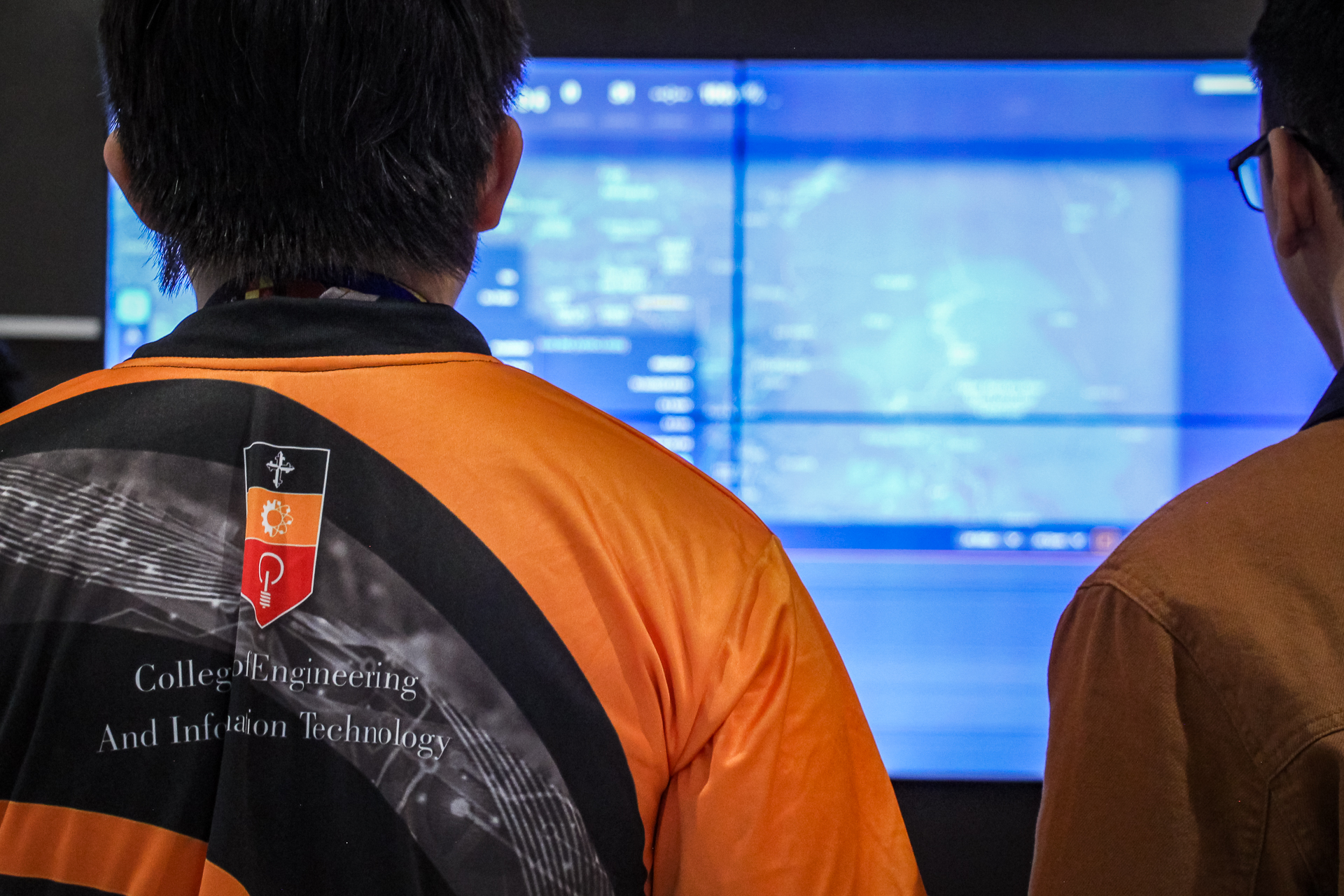
Students from Siena College Taytay learn wireless innovations that power communications at PLDT Innolab.
“I’ve joined hackathons before, but seeing these technologies up close showed me how far things have already come — especially with AI leading the way,” said Joever Rafael, an Electronics and Communications Engineering student at NDMU. “It makes me even more motivated to be part of building the next generation of networks, maybe even as we move toward 6G.”
They were also introduced to the AIRA Command Center developed by AIRA Labs, a local startup supported by PLDT Enterprise. The AI-powered platform acts as a centralized “brain” for operations, aggregating massive volumes of data — from sources like CCTV feeds and sensors — and processing them using artificial intelligence to detect patterns, flag risks, and generate real-time, actionable insights through intuitive dashboards.
“I only realized how complex and extensive it is during the tour,” said Aicel Cegueña, an Information Technology student at SCT. “It really has the potential to boost government operations, especially in public safety, by using AI to process data from CCTV cameras and enable faster, real-time response.”
They also got hands-on with SmartSafe Silent Access, PLDT Enterprise’s telco-powered authentication solution that enables secure mobile user verification without relying on one-time passwords (OTPs). The result: faster, frictionless, and more secure digital transactions—something increasingly critical as more services move online.
“It’s an eye-opening experience to see how these innovations directly address real-world problems like scams,” said Jed Tomarong, an Electrical Engineering student at NDMU. “Solutions like Smart Safe show how security is evolving — and why engineers today might consider integrating AI into their projects.”
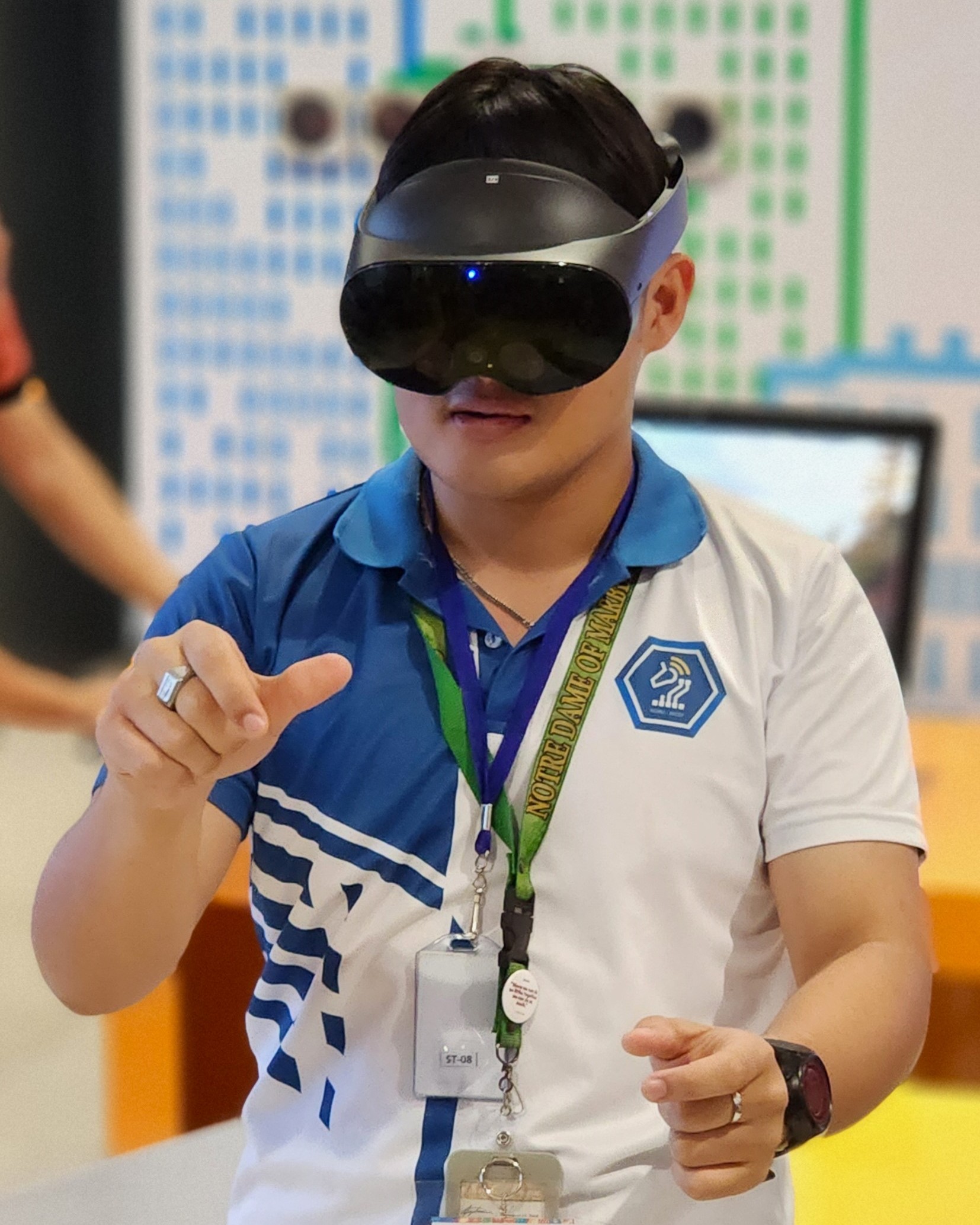
A student from NDMU tries virtual reality.
PLDT and Smart also extended their cybersecurity advocacy to these future tech leaders, equipping students with information to identify red flags that scammers use to victimize unsuspecting customers.
“Being cybersmart helps a lot in securing our lives,” said Keegan de Peralta, a Computer Science student at SCT. “Learning about different scams made me think twice about sharing personal information.”
Opening its doors to future engineers and technopreneurs underscores the PLDT Innolab’s role in nurturing the next generation of innovators — giving students early exposure to real-world applications and encouraging them to take an active role in shaping the country’s digital future.
But beyond the tech showcase, the experience highlighted a bigger goal: preparing students not just to understand these systems, but to build and improve them.
Aligned with the PLDT Group’s push for inclusive learning, SWEEP and its initiatives to welcome students to the PLDT Innolab support the advancement of STEM education and support the country’s efforts in achieving UNSDG 4 on Quality Education.