HONG KONG – As organizations navigate a business environment marked by artificial intelligence, shifting geopolitical and economic dynamics, and rapidly evolving customer expectations, leaders gathered at the ACC CXO Forum in Hong Kong highlighted a common truth: technology may enable transformation, but culture determines whether it succeeds.
Representing PLDT Global, Chief Operating Officer Edith Gomez-Cudiamat emphasized the critical role of culture in helping organizations adapt, execute, and thrive amid constant change. While themes such as resilience, trust, adaptability, and innovation surfaced throughout the forum, Gomez-Cudiamat pointed to culture as the force that connects them and translates strategy into action.
“Culture commands acceleration of execution. It’s not the starting point. Culture influences behavior, and behavior delivers results,” she said.
According to Gomez-Cudiamat, this people-centered approach has been instrumental in helping PLDT Global navigate an increasingly dynamic business environment, where speed, adaptability, and collaboration are critical. At PLDT Global, culture is viewed not simply as an organizational value, but as a strategic business enabler that empowers teams to innovate, respond decisively to change, and deliver value to customers and partners worldwide.
The company fosters a culture anchored on collaboration, accountability, and continuous learning, recognizing that transformation is most effective when employees at every level are empowered to contribute ideas, challenge conventional thinking, and take ownership of outcomes. As industries continue to evolve and technologies reshape business models, PLDT Global believes that an agile and empowered workforce remains one of its strongest competitive advantages.
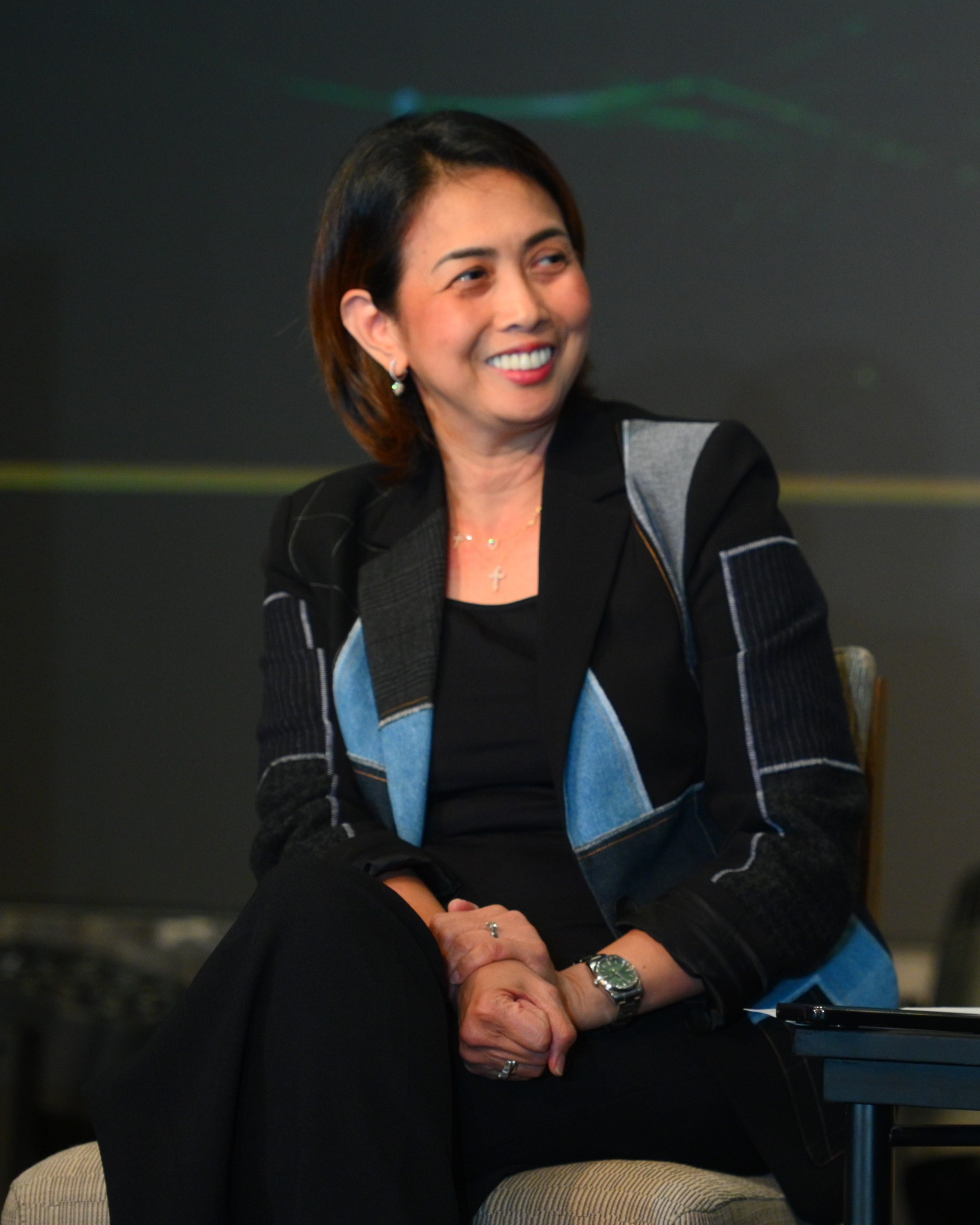
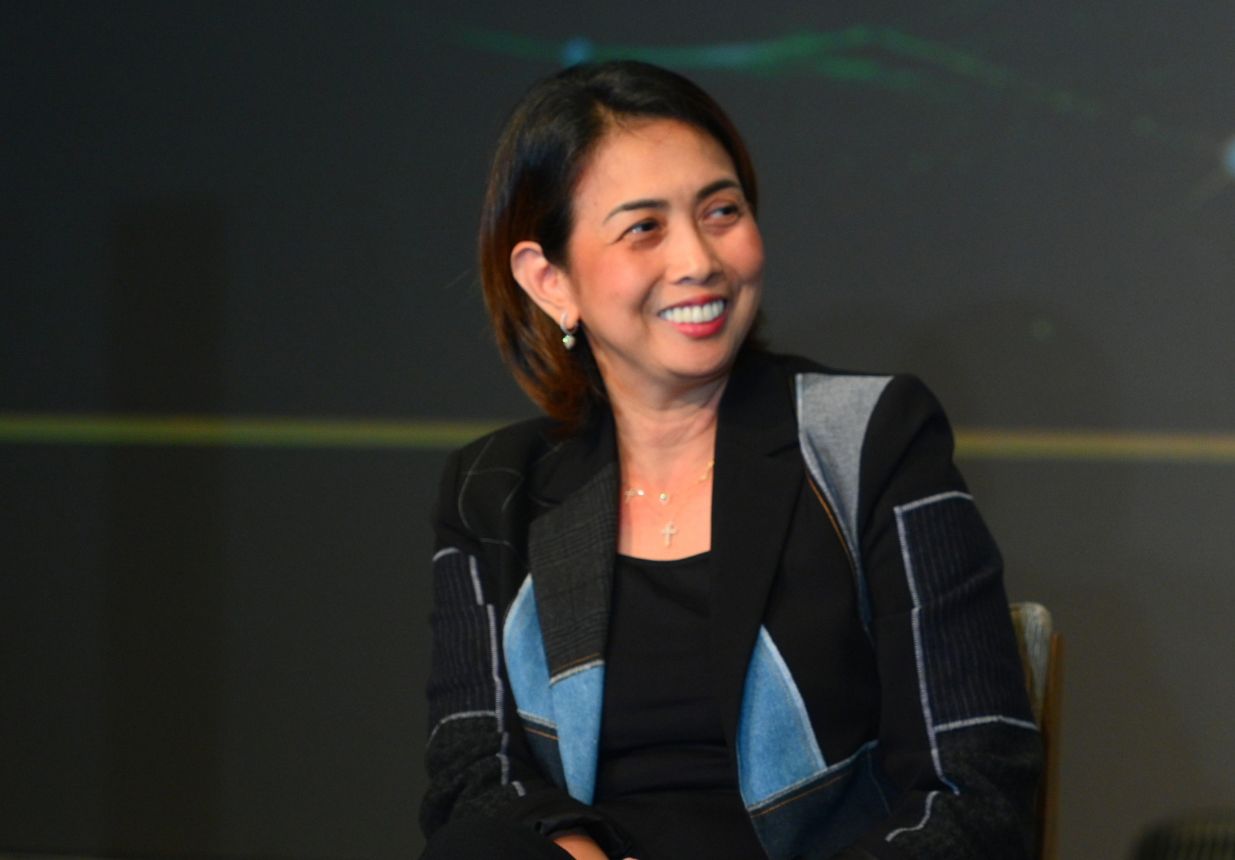
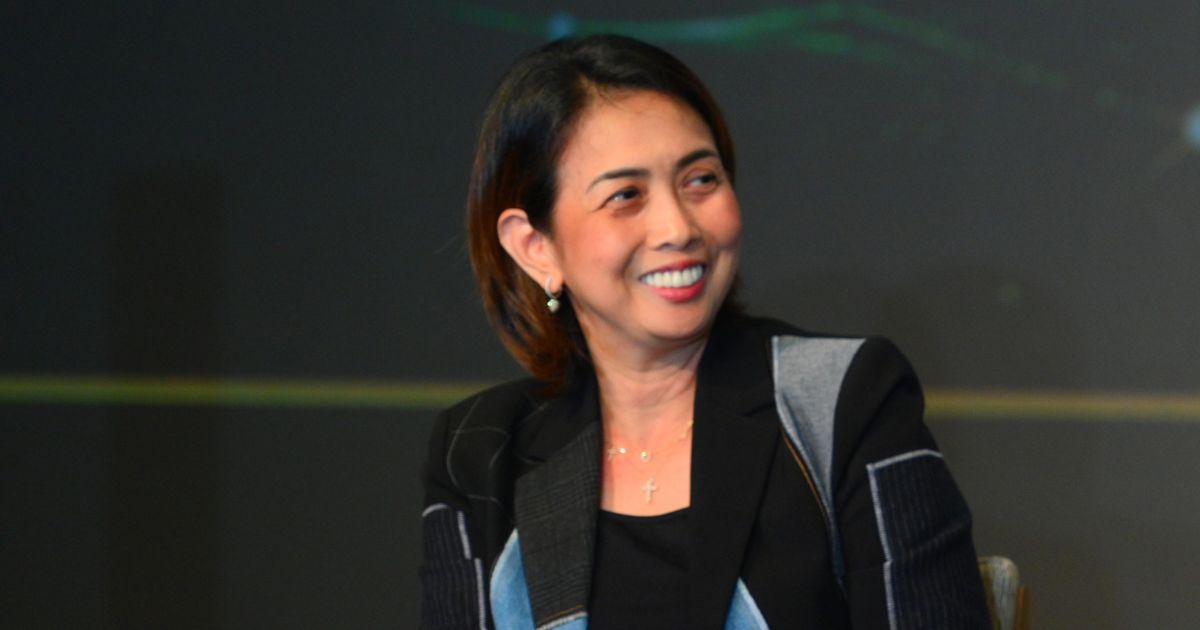
PLDT Global COO Edith Gomez-Cudiamat at the ACC CXO Forum
Drawing from the famous maxim, Gomez-Cudiamat expanded on the idea that culture’s influence extends well beyond strategy development. “Culture eats strategy for breakfast,” Gomez-Cudiamat said. “And I would respectfully add, culture also determines whether strategy survives the rest of the day. Because culture influences the thousands of decisions people make every day when no one is watching.”
According to Gomez-Cudiamat, culture becomes even more important as organizations embrace emerging technologies and new ways of working. While businesses continue to invest in digital transformation and AI-powered solutions, sustainable success depends on how people respond to change, collaborate, and make decisions across the organization.
She stressed that culture is not defined by corporate slogans or values statements displayed on office walls, but by the actions and behaviors demonstrated by leaders every day. “Culture is not the poster on the wall. Leadership drives culture and moves transformation forward,” she said.
The forum brought together senior executives and decision-makers from across the telco, technology, financial technology, hyperscalers, and business sectors to discuss leadership, growth, innovation, and the future impact of technological disruption. Throughout the discussions, speakers repeatedly emphasized the importance of people-centric leadership, trust, collaboration, and organizational agility in navigating today’s increasingly complex operating environment.
Gomez-Cudiamat also encouraged leaders to build environments where decision-making and accountability are shared across teams, enabling organizations to move faster and respond more effectively to change.
“The challenge for leaders today is to create organizations where everyone can make decisions, volunteer solutions, and speak up,” she said. “Leadership should not rest on a single individual. It should empower people throughout the organization.” In an age of constant disruption, Gomez-Cudiamat emphasized that culture is more than what defines an organization—it is what turns strategy into execution, enables transformation, and strengthens an organization’s ability to endure and succeed.