In times of crisis and emergency, Quezon City’s frontliners keep communities safe and protected. But who ensures that these frontliners remain strong, supported, and ready when called upon to serve? PLDT and Smart, in partnership with the Philippine Mental Health Association (PMHA), recently conducted a holistic stress management workshop for the emergency response frontliners of the Quezon City Disaster Risk Reduction and Management Office (QC DRRMO) and Quezon City Citizens Services Department (CSD). The initiative reinforces a shared commitment to strengthening resilience and safeguarding the mental health of those on the frontlines of crisis response. This is part of the broader initiative of PLDT and Smart through its #KonektedForResilience advocacy program that focuses on community resilience and disaster preparedness.
The workshop centered on key challenges faced by responders, including burnout, secondhand traumatic stress, and the cumulative emotional toll of emergency work. Participants were guided through practical coping mechanisms such as managing personal stress responses, building healthier habits, and developing strategies to sustain both mental and emotional well-being amid high-pressure environments.
For QC DRRMO Head Bianca Perez-Diamante, the initiative is both timely and necessary, given the nature of their work. “Our responders are the ones who face emergencies every single day—from vehicular accidents and trauma cases to rescues during extreme weather conditions. They see things that most people are not prepared to handle, and it takes a toll on them. This workshop is important because it reminds them that they are human too—that they also feel tired, overwhelmed, and affected by what they experience. It gives them the space to pause, to breathe, and to acknowledge their own vulnerabilities,” Perez-Diamante said.
Acting Chief Administrative Officer Estelita Mañalac of the QC Citizens Service Department, who is one of the participants from the workshop, highlighted the value of self-care in effective public service. “One of the most important things I learned is that you have to take care of yourself first before you can truly help others. This workshop gave me a better understanding of stress and how it affects people at all levels. It also equipped me with ideas that I can share with my staff so we can better support one another. As frontliners, we need to remain resilient and manage our stress properly so we can continue to serve effectively, especially during emergencies,” Mañalac said.
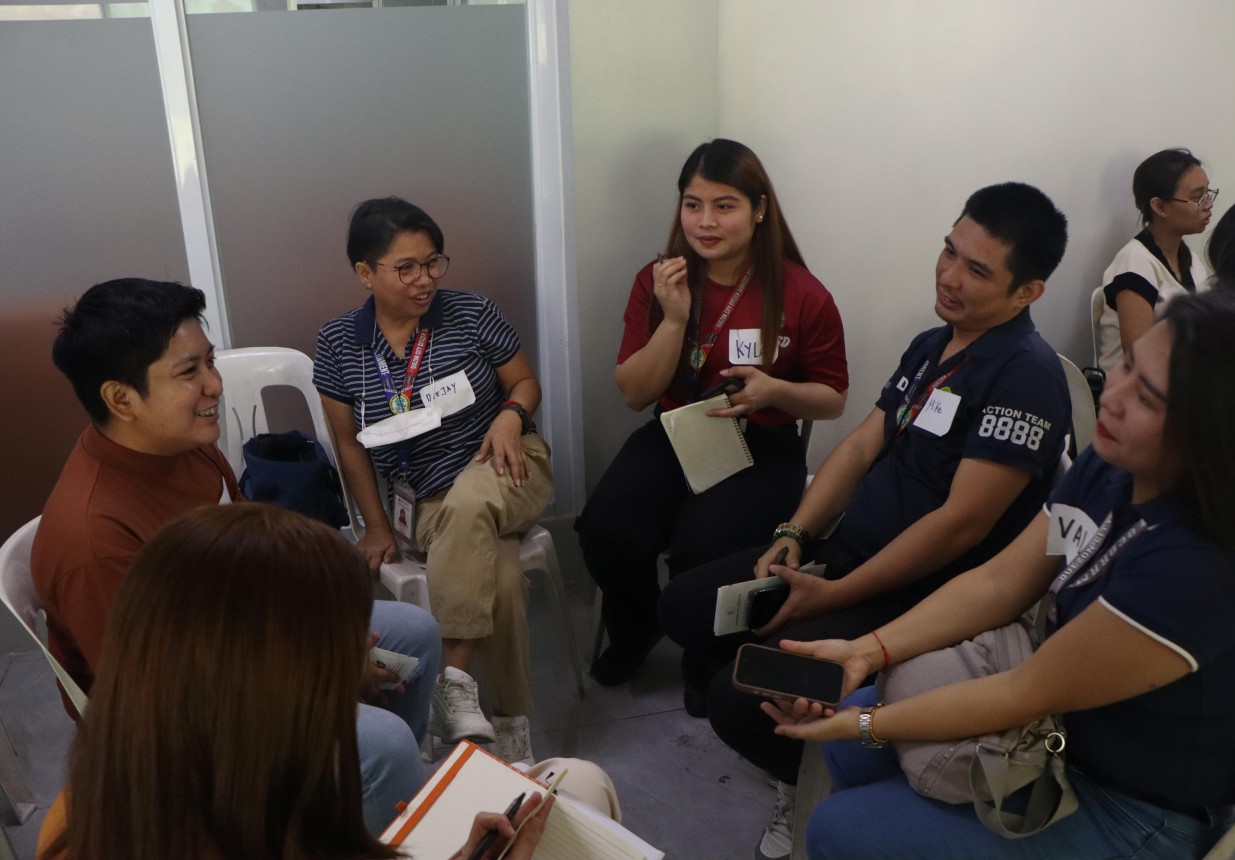
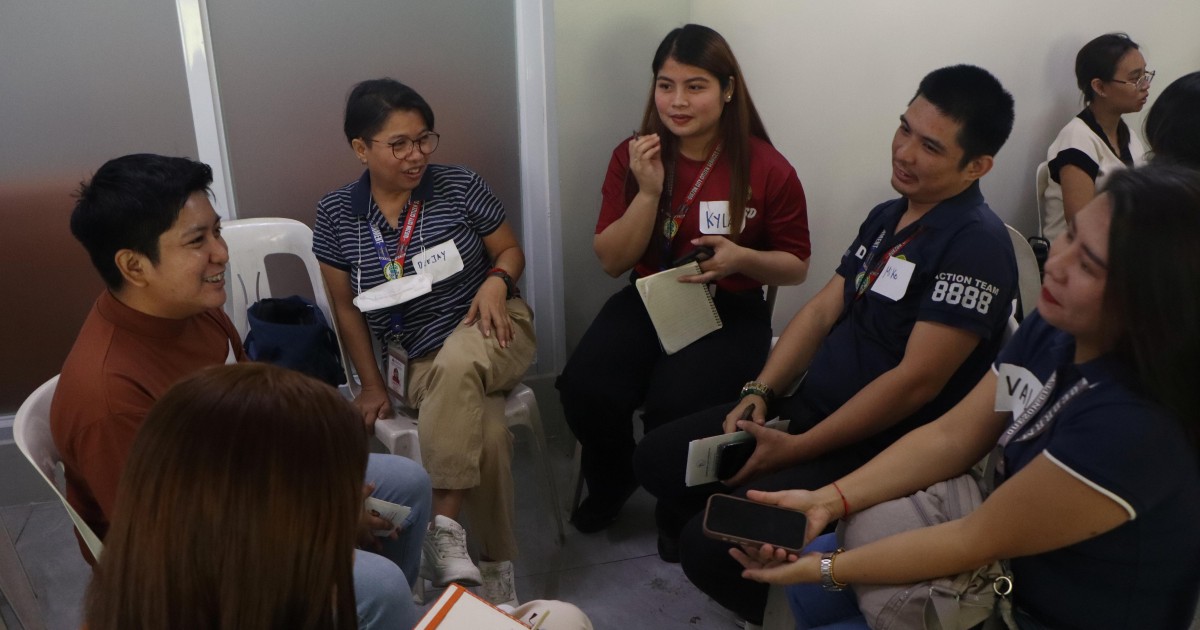
.JPG) Participants share their lived experiences and insights when it comes to emergency response during the workshop.
Participants share their lived experiences and insights when it comes to emergency response during the workshop.
From the perspective of responders on the ground, the workshop provided practical and personal insights. Another participant, Jeramen Devisfruto, who is the Acting Deputy of Team Delta Emergency Medical Services under Operations, reflected on the importance of mental stability in their line of work. “I realized how important it is to have stable mental health because it directly affects how we respond to emergencies. When your mind is not okay, your body follows, and it becomes difficult to do your job properly. This workshop helped me understand how I can better manage panic, anxiety, and personal challenges so I can continue to perform my duties and support others effectively,” Devisfruto said.
Beyond mental health support, the initiative also introduced opportunities for additional livelihood. A brief segment by Smart NCR Wireless Sales highlighted the Smart Retailer program, which enables individuals to earn extra income by selling prepaid load and digital services within their communities. For frontliners and emergency responders, this presents a flexible and accessible way to supplement their income, further supporting their overall well-being and financial resilience.
PLDT and Smart underscored their commitment to supporting those who serve at the frontlines. PLDT and Smart Stakeholder Engagement Assistant Vice President and Head Stephanie V. Orlino emphasized the broader purpose of the initiative. “At PLDT and Smart, we believe in creating safer spaces not only for communities but also for the people who serve them. Our frontliners and first responders play a critical role in delivering aid during times of crisis, and while they continuously provide help to others, it is equally important that they receive the support they need. This workshop is a testament to our continued commitment to their well-being, particularly in ensuring that their mental health is cared for as they carry out their vital work.”
These initiatives reflect PLDT and Smart’s commitment to holistic community support — reaffirming the importance of mental health care as an integral part of disaster response, aligned with UN Sustainable Development Goal (UNSDG) 3: Good Health and Well-Being, 11: Sustainable Cities and Communities, and 17: Partnerships for the Goals.