Members of the National Telecommunications Security Council (NTSC) are batting for a “whole of industry” approach when it comes to protecting telco infrastructure, especially during times of disaster.
This was among the findings of their recently concluded three-day National Crisis Management Simulation Exercise (SIMEX 2026), held in time for the observance of July as National Disaster Resilience Month.
Spearheaded by the Asset Protection & Security Risk Governance Group (APSRG) of PLDT, the initiative brought together security executives from PLDT and Smart, Globe Telecom, Converge ICT Solutions, DITO Telecommunity, and SkyCable to evaluate organizational readiness in responding to major emergencies and disruptions affecting critical telco infrastructure.
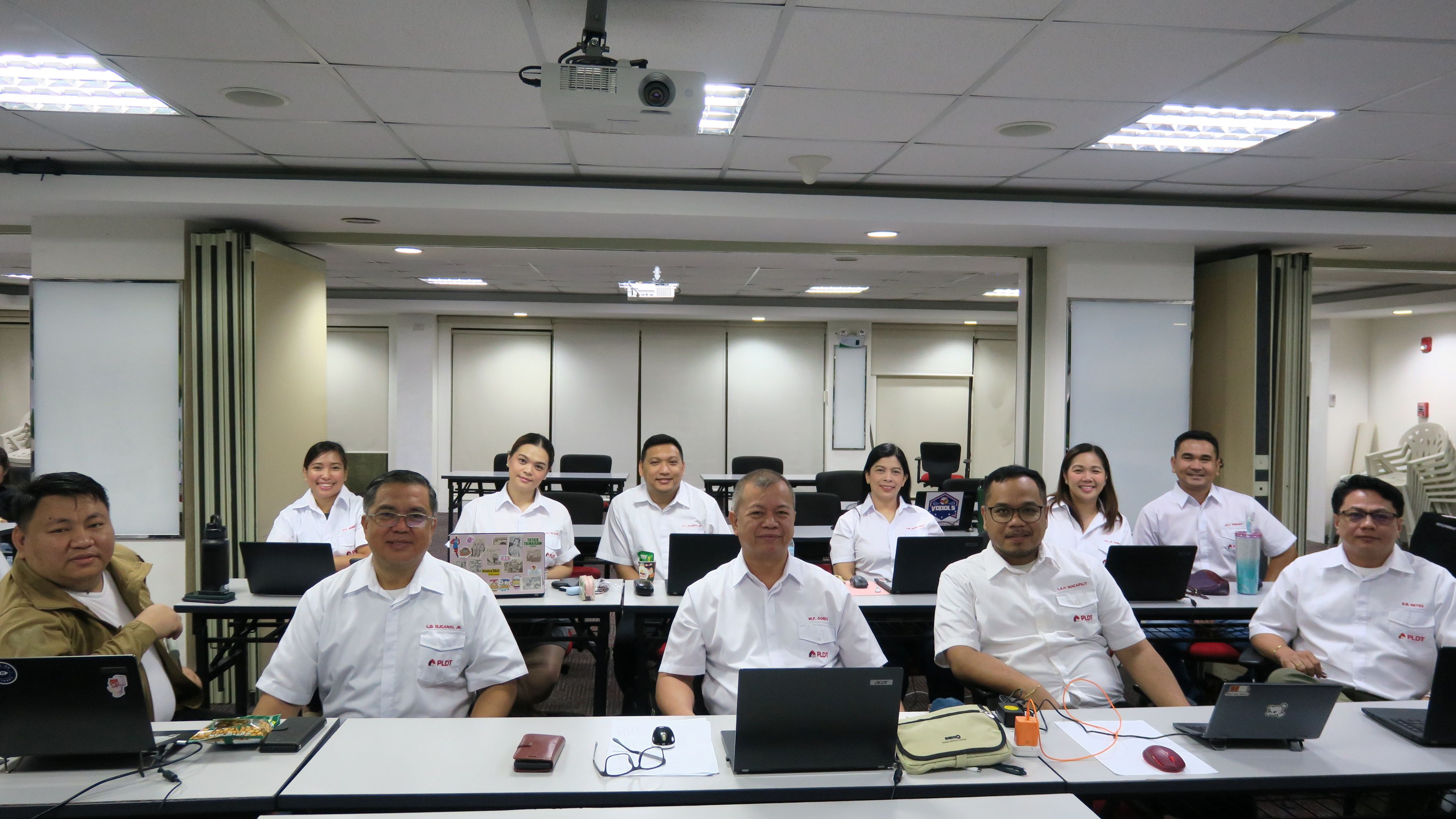
Members of the National Telecommunications Security Council (NTSC) successfully held their three-day National Crisis Management Simulation Exercise (SIMEX 2026) in time for the observance of July as National Disaster Resilience Month. Spearheaded by PLDT’s Asset Protection & Security Risk Governance Group (APSRG), the initiative brought together security executives from PLDT and Smart, Globe Telecom, Converge ICT Solutions, DITO Telecommunity, and SkyCable to evaluate organizational readiness in responding to major emergencies and disruptions affecting critical telco infrastructure.
“As we continue to face increasing challenges brought about by climate change and other emerging threats, initiatives like this SIMEX can help us identify strengths, locate gaps, and determine additional resources and capabilities that telcos need to become better equipped,” said NTSC Chairman Lt. Gen. Ramiro Manuel A. Rey (Ret.) of Converge ICT.
Through scenario-based activities and structured discussions, members worked together to build the NTSC’s crisis management playbook, which includes protocols to be followed prior to, during, and after a crisis, thereby enhancing the organization’s collective capability to respond effectively and ensure continuity of telco services during emergency situations.
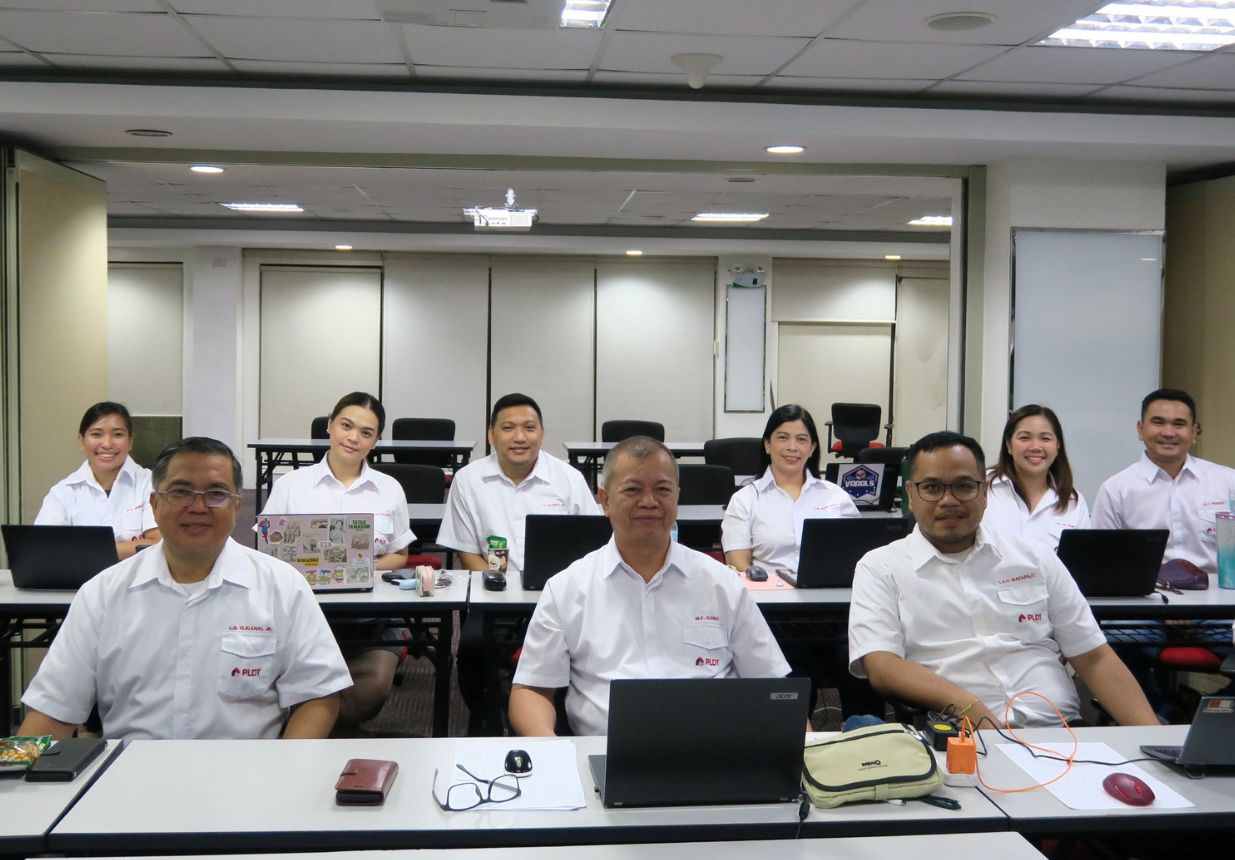
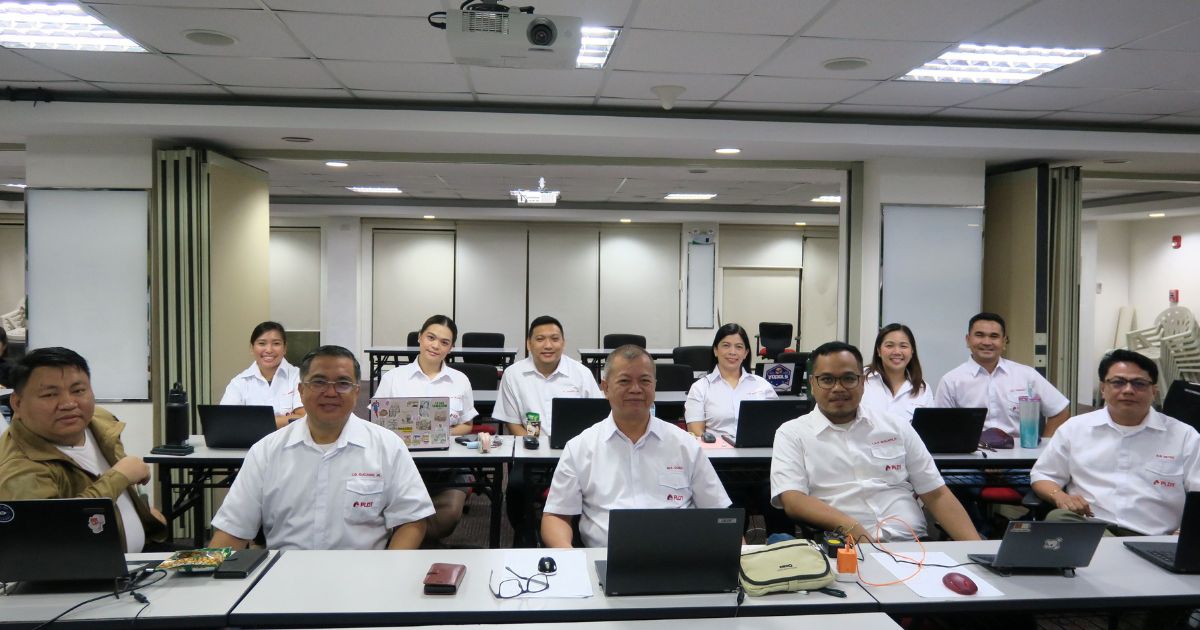
Facilitating the exercise, members of the PLDT APSRG team, headed by Col. Wilfredo F. Gonio (Ret.), officer-in-charge, Asset Protection and Security Risk Governance of PLDT, assembled in person at the NTSC Emergency Operations Center (EOC) established at a PLDT facility in Tagaytay City.
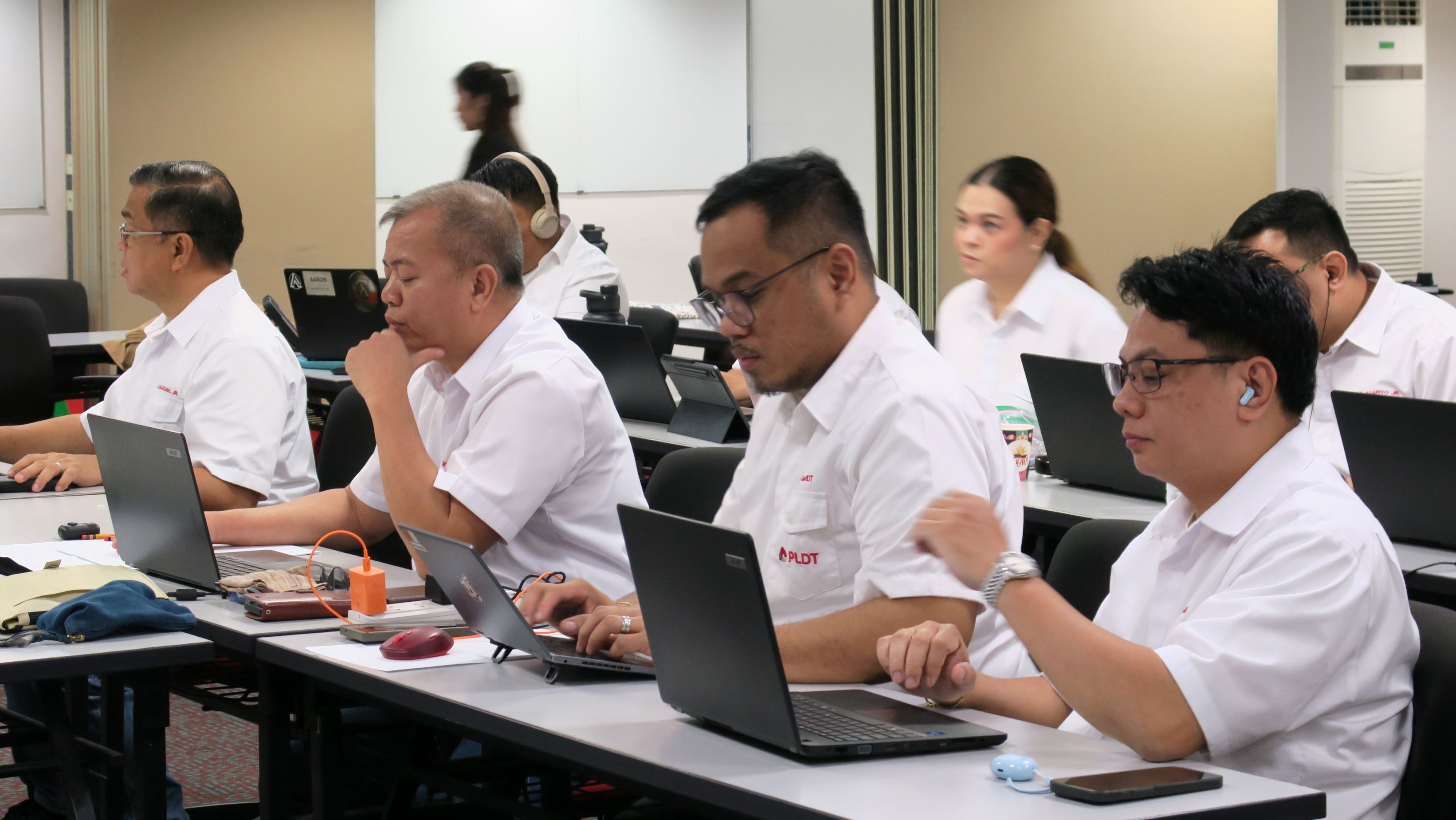
Also leading the SIMEX 2026 activities were NTSC Vice Chairman Joselito Tan of Globe Telecom, Col. Romeo M. Basco (Ret.), Director of Security of DITO Telecommunity, Willie S. Antalan Jr., PLDT’s Coordinator for the Asset Protection Operations Center, and Leodovico A. Bungubung Jr., Vice President for Safety and Security of SkyCable.
Beyond exchanging insights and best practices, participants also tested multiple communication channels, such as SMS, email, and radio systems, to validate the timely dissemination of information during crisis situations.
‘Whole of industry approach’
“The success of this SIMEX demonstrates the industry’s shared commitment to readiness and service continuity,” said Col. Gonio, underscoring the need to expand partnerships to enhance national resilience. “While regular coordination among NTSC members can ensure that our organizations can act quickly and effectively during emergencies, we also need to work with government agencies, law enforcement organizations, and other key partners so we can build a stronger and more coordinated crisis management system,” he said.
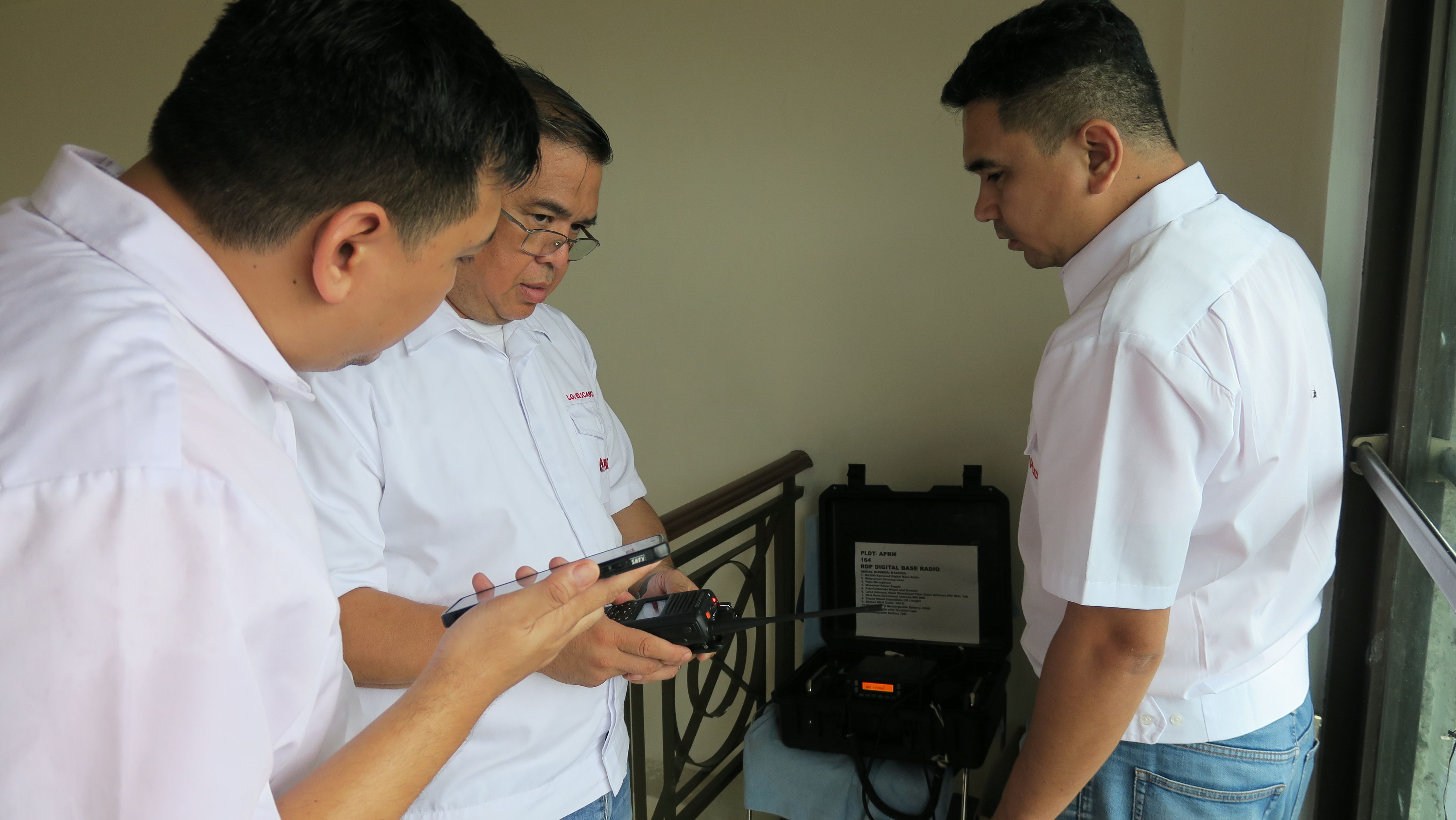
The PLDT APSRG team assembled in person at the NTSC Emergency Operations Center established at a PLDT facility in Tagaytay City. Beyond exchanging insights and best practices, participants also tested multiple communication channels, such as SMS, email, and radio systems, to validate the timely dissemination of information during crisis situations.
The successful completion of SIMEX 2026 reinforces the NTSC’s continued commitment to enhancing crisis management capabilities across the telco sector and supporting national resilience through stronger preparedness, coordination, and expertise sharing.
Through its network protection and community security initiatives, the PLDT group, together with its telco partners, is helping create safer, more resilient communities where digital inclusion can thrive, through a community-centric approach that strengthens trust, fosters accountability, and ensures that technology continues to serve as a bridge to progress for millions of Filipinos.
These initiatives are also aligned with the United Nations Sustainable Development Goals (SDGs), particularly SDG 9: Industry, Innovation, and Infrastructure, and SDG 11: Sustainable Cities and Communities.