For Filipinos with disabilities, access to technology can mean greater opportunities to learn, find jobs, earn a decent living or simply participate in everyday activities. Recognizing their efforts to make that possible, the National Council on Disability Affairs (NCDA) has recently commended PLDT and Smart for uplifting the lives of persons with disabilities by promoting accessible infrastructure, technologies, communication and universal design.
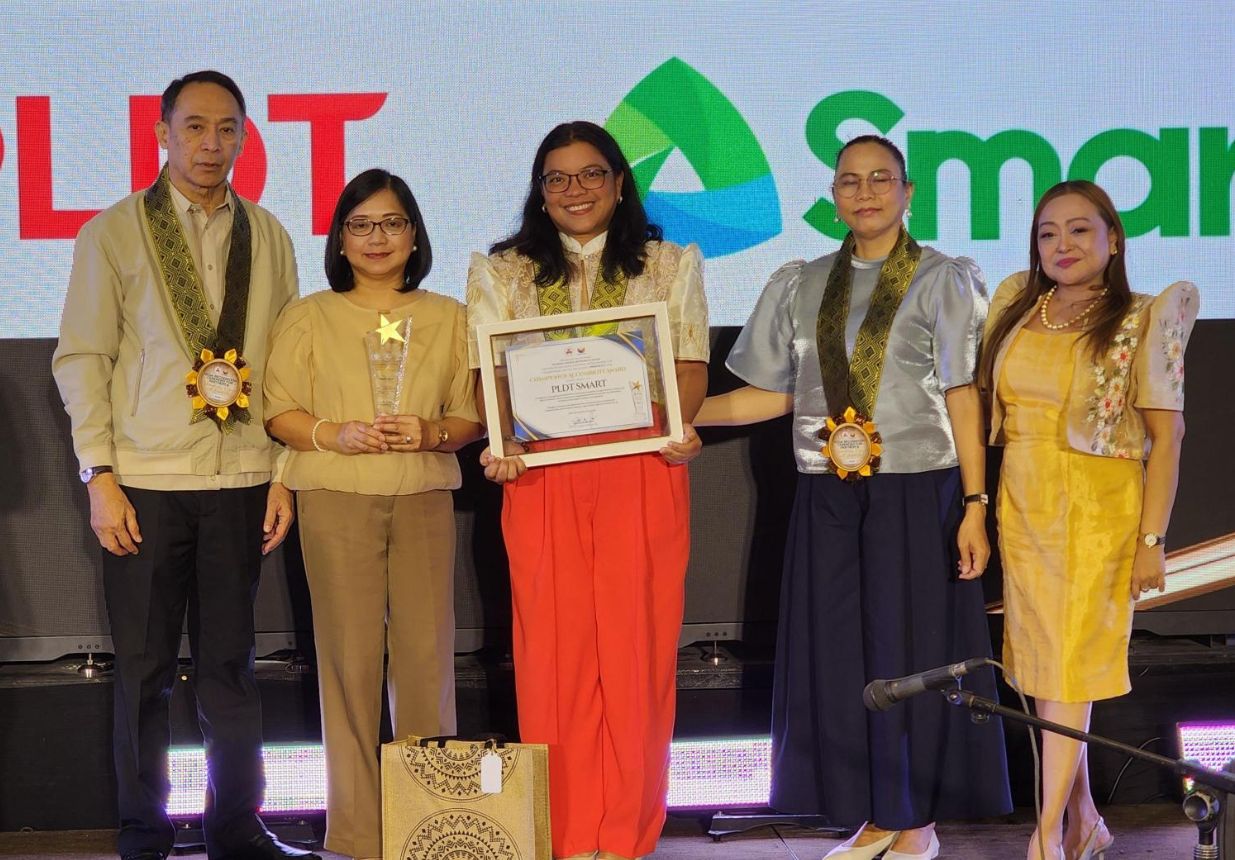
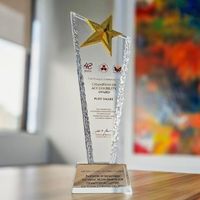
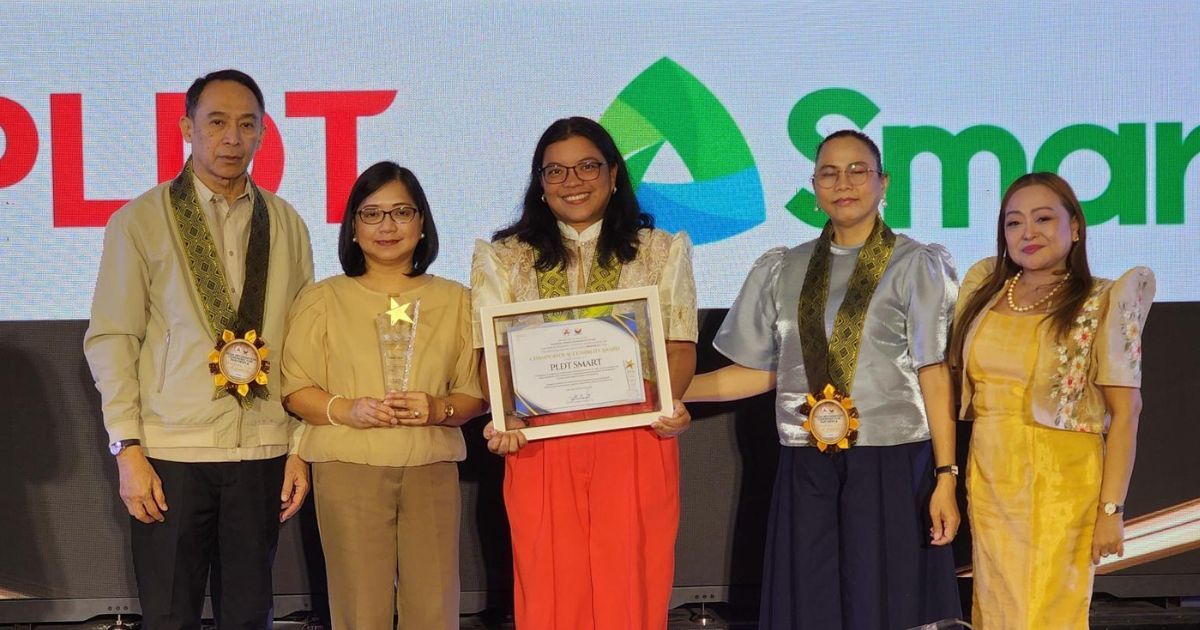
The PLDT Group received Champions of Accessibility honors at the recent Partners in Inclusion, National NCDA Awards for Championing Lasting Excellence (PINNACLE), applauding its programs in promoting greater digital inclusion for persons with disabilities.
“We believe technology should create opportunities, not barriers,” said Stephanie V. Orlino, AVP and Head of Stakeholder Engagement. “Working alongside the NCDA and our partners, we are committed to making digital tools and connectivity more accessible so that persons with disabilities have more opportunities to learn new skills, pursue their ambitions, and thrive in an increasingly digital world. Recognition like this inspires us to keep building programs that make inclusion a reality.”
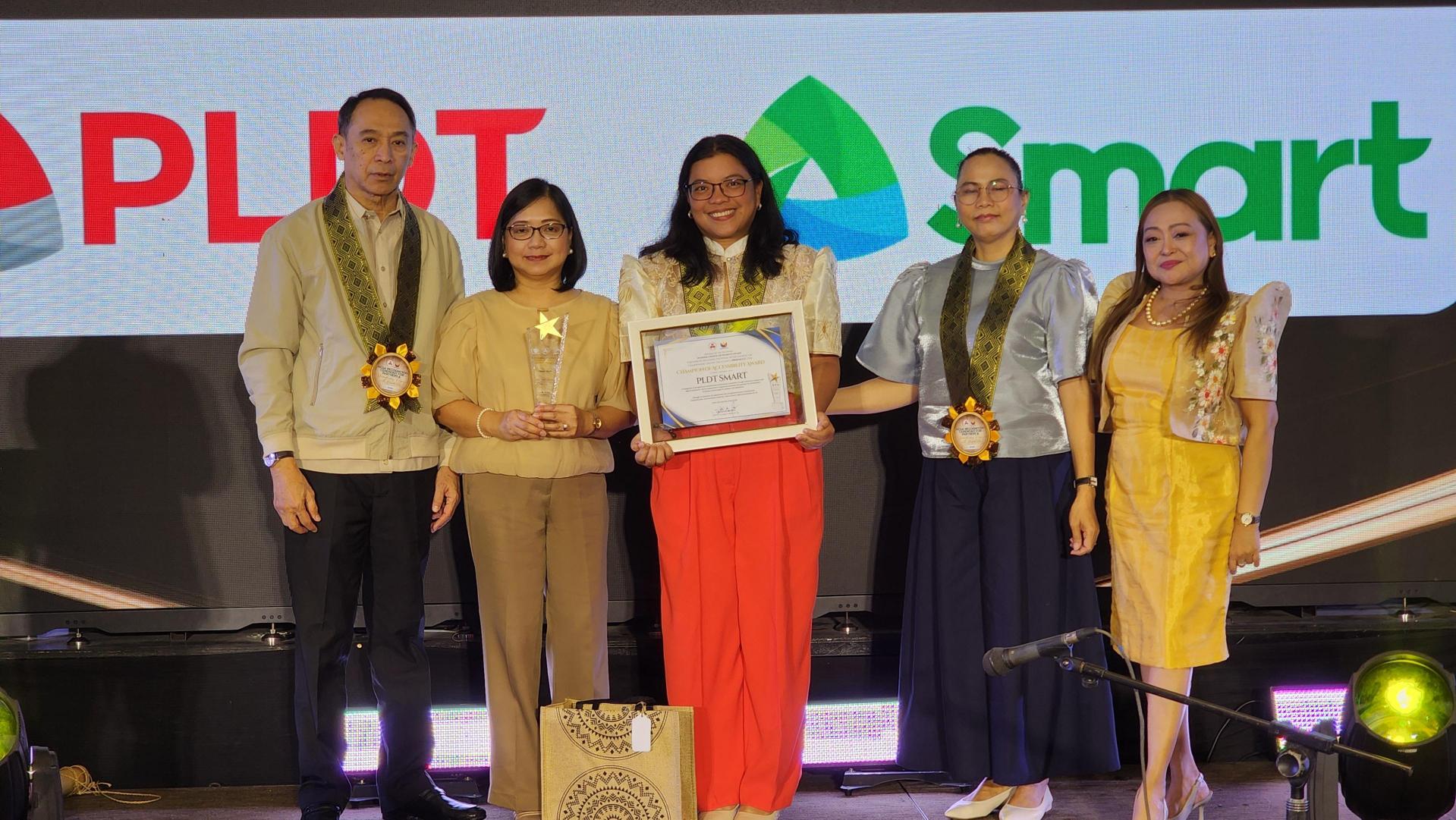
Atty. Zabedin M. Azis, Asst. Secretary Legislative and Intergovernmental Affairs Group, DSWD; Alice Tuazon, Lead Community Relations Associate, PLDT; Joy Lapuz, Stakeholder Engagement Executive, PLDT and Smart; Dr. Mita A. Parocha, Supervising Education Program Specialist (SVEPS), Department of Education (DepEd) Bureau of Learning Delivery; Glenda D. Relova, Executive Director III, NCDA
According to the 2020 Census of Population and Housing (CPH) of the Philippine Statistics Authority (PSA), 8.7% of Filipinos aged 5 years and over experience at least one functional difficulty based on the Washington Group Short Set of Questions, equivalent to around 8.4 to 8.5 million Filipinos. Yet many face barriers to education, employment, and opportunities to participate in economic activities. Of the 1,724 local government units across the country, no more than 500 have established Persons with Disability Affairs Offices (PDAO), and these are mostly in the urban areas. Very few far-flung municipalities have a PDAO.
Under its #KonektedforInclusion program, the PLDT Group has supported NCDA initiatives aimed at improving access to technology, livelihood opportunities, quality education, and safer internet for persons with disabilities.
PLDT and Smart have been supporting the Global and National Information, Science, and Technology Challenge for Youth with Disabilities organized by the National Council on Disability Affairs since 2024.
This year’s competition, organized in partnership with the Department of Information and Communications Technology (DICT) and the Department of Science and Technology (DOST) brought together 42 participants from 12 local government units who showcased their tech skills in eCombination, eContent Video Making, eCreative Smart Car, and eInteractive AI Games. The best finisher from each category will represent the Philippines at the global edition in Da Nang, Vietnam in October.
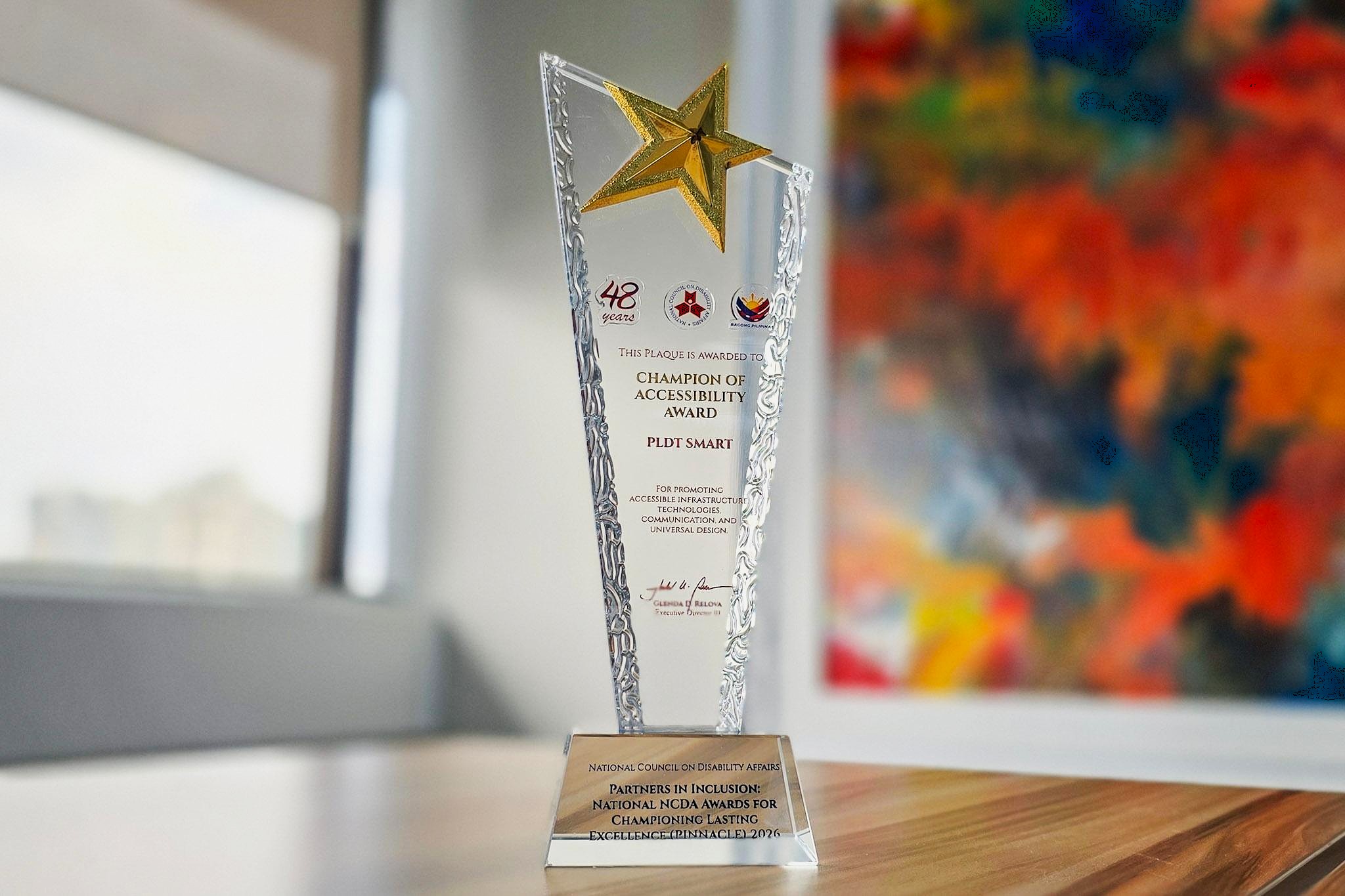
The National Council on Disability Affairs (NCDA) commends PLDT and Smart for empowering persons with disabilities.
In 2025, PLDT and Smart also partnered with the NCDA for Innovation Generation Season 4. The final edition challenged innovators from senior high schools, colleges and universities to develop technology-driven solutions for persons with disabilities. ranging from assistive mobile solutions, wearable devices and safety systems, employment tools, accessible communication platforms, and health, mobility, and emergency response technologies.
“It is our commitment to fostering a culture that not only recognizes excellence but also nurtures potentials, uplifts one another, and inspires future generations through real-life stories of triumph,” said Glenda D. Relova, Executive Director III at NCDA. “It reminds us that disability is never a limitation to greatness when society chooses to remove barriers and open doors. Inclusion is not achieved by one institution alone. It is built through collective commitment and shared responsibility.”
PLDT and Smart in partnership with ATRIEV (Adaptive Technology for Rehabilitation, Integration, and Empowerment of the Visually Impaired) harnessed the power of Artificial Intelligence (AI) to help more than 266 persons with disabilities access digital innovations in 2026. The workshop includes familiarizing with generative AI and large language models and other AI-powered tools for communication. The AI for All module includes training persons with different impairments in social media management, logo design, and branding, equipping them with in-demand digital skills to pursue freelancing and other income-generating opportunities. #BeCybersmart modules are also integrated in these trainings to raise awareness on scams and fraud.
The PLDT Group’s initiatives that harness technology to help bridge the digital divide create more meaningful connections and opportunities for Filipinos to live a fuller life. Through its #KonektedforInclusion program, the Group works to make digital innovations more accessible while supporting the Philippines’ commitment to the United Nations Sustainable Development Goals, particularly SDG 10 on Reduced Inequalities.