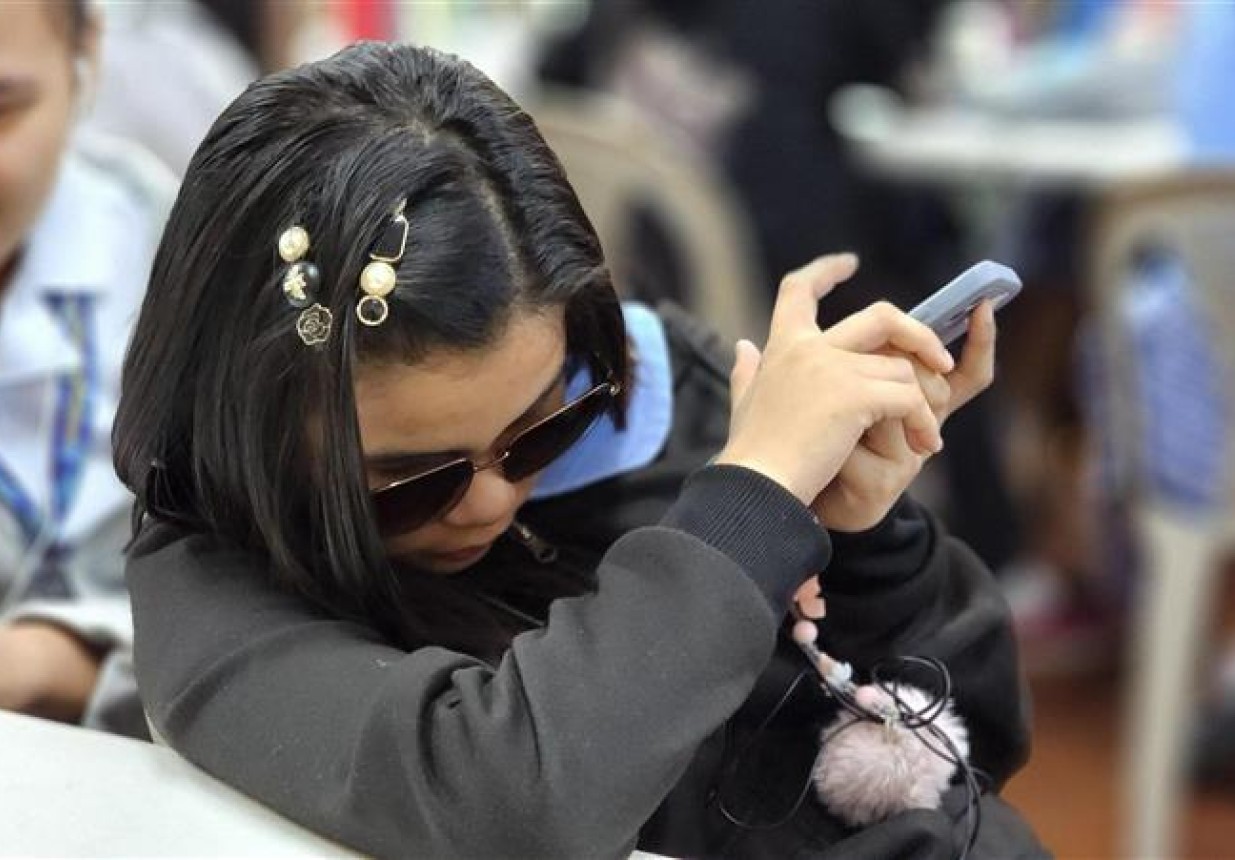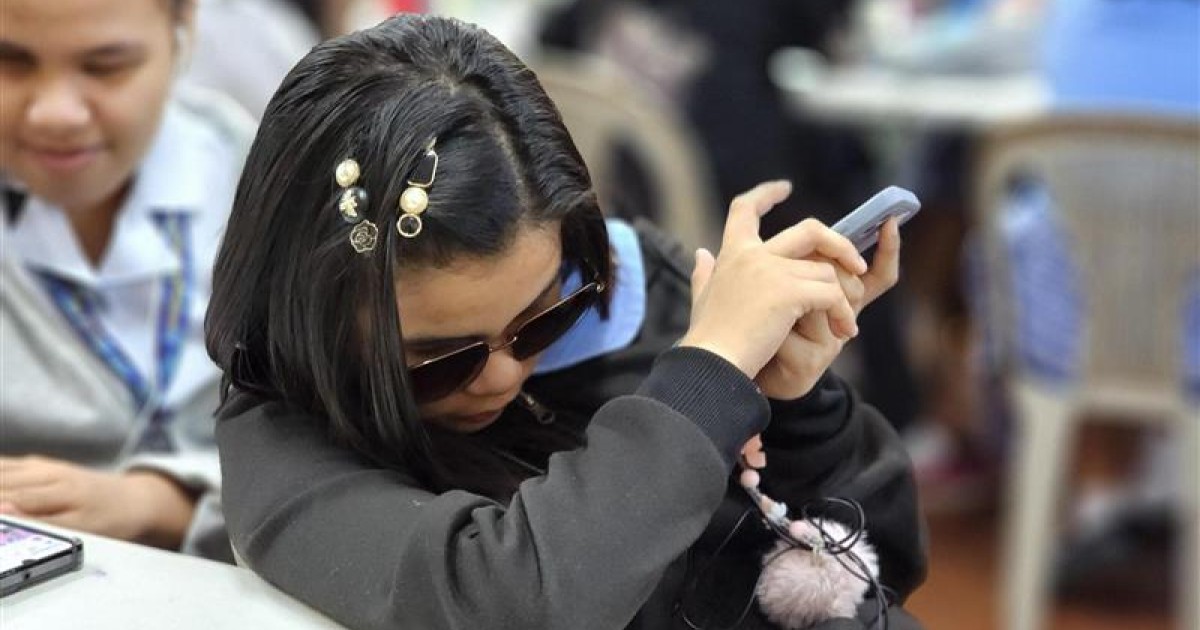
In a classroom at the Philippine National School for the Blind, the lesson shifted from traditional subjects to something less visible but increasingly urgent: how to stay safe online.
For three days in March, PLDT and its wireless unit Smart Communications, Inc. (Smart), working with Adaptive Technology for Rehabilitation, Integration and Empowerment of the Visually Impaired (ATRIEV), held a cyber safety workshop for visually impaired women and girls at the PNSB, as part of the initiatives in celebration of International Women’s Month.
The sessions gathered 25 participants — 17 students and 8 teachers — and focused on the kinds of risks that threaten online experience, including phishing and impersonation, scams, and digital harassment. There were also practical lessons on privacy, managing app permissions, and “cyber hygiene” — the routine steps that can make accounts harder to breach.
“Madali po siyang maintindihan,” said Rea Mae Baclle, a Grade 12 student. “Natuto po ako kung paano i-secure ng maayos ang account ko para hindi ito mapasok ng hackers.”
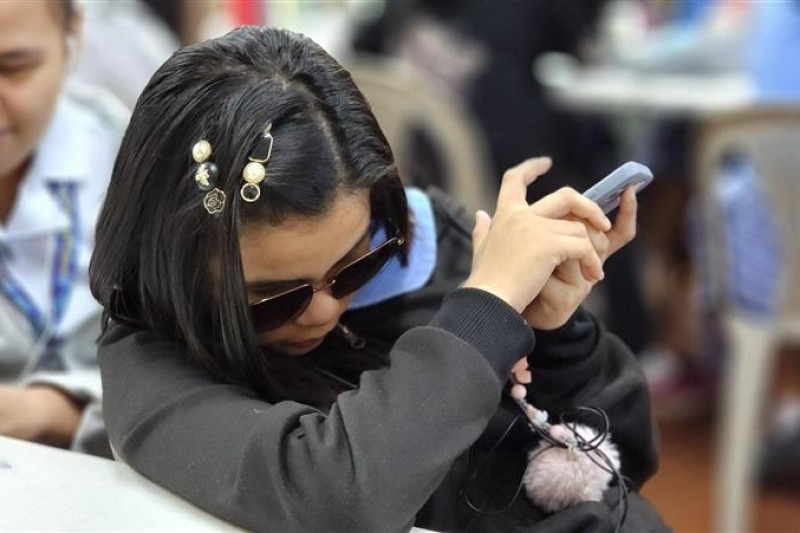
Baclle said she intends to apply what she learned, including limiting what she shares online and strengthening her account security. “Pipiliin ko na lang po kung ano ang ipo-post ko,” she said, adding that using authentication tools could help protect against common threats like phishing.
For Grade 9 student Yhanna Corde, the lessons reflected risks she already knew firsthand.
“Importante po na maging safe tayo kahit online,” she said. “Hindi lang sa totoong buhay nangyayari ang panganib. Pwede rin po tayong ma-scam o ma-harass sa internet.”
Corde, who said she has experienced online harassment, added that the training gave her a clearer sense of how to respond. “Hindi ko na po siya i-ignore. Ire-report ko na po at ipapaalam sa mga nakatatanda.”
.jpg)
The workshop is part of a broader effort by PLDT and Smart to expand digital inclusion through their IDEATe (Inclusion, Diversity, Equity, Advocacy through Technology) program, which aims to make technology and digital skills more accessible, particularly to underserved communities.
“Digital inclusion goes beyond connectivity — it means ensuring that every Filipino, especially those in vulnerable sectors, has the knowledge and tools to stay safe online,” said Stephanie V. Orlino, Assistant Vice President and Head of Public Engagement at PLDT and Smart. “Through initiatives like this, we aim to equip visually-impaired women and girls with practical skills to navigate the digital space securely and with confidence.”
PLDT and Smart have also invested in their cybersecurity infrastructure to protect customers, particularly children, from online threats. In February alone, their Cyber Security Operations Group blocked more than 14 billion attempts to access malicious domains, while the PLDT Group thwarted over 387 million cyberattack attempts on its network.
As more of daily life moves online, the risks can be harder to see — and for some, harder to navigate. PLDT and Smart say programs like this are designed to narrow that gap, ensuring that access to the digital world also comes with the knowledge to move through it safely.