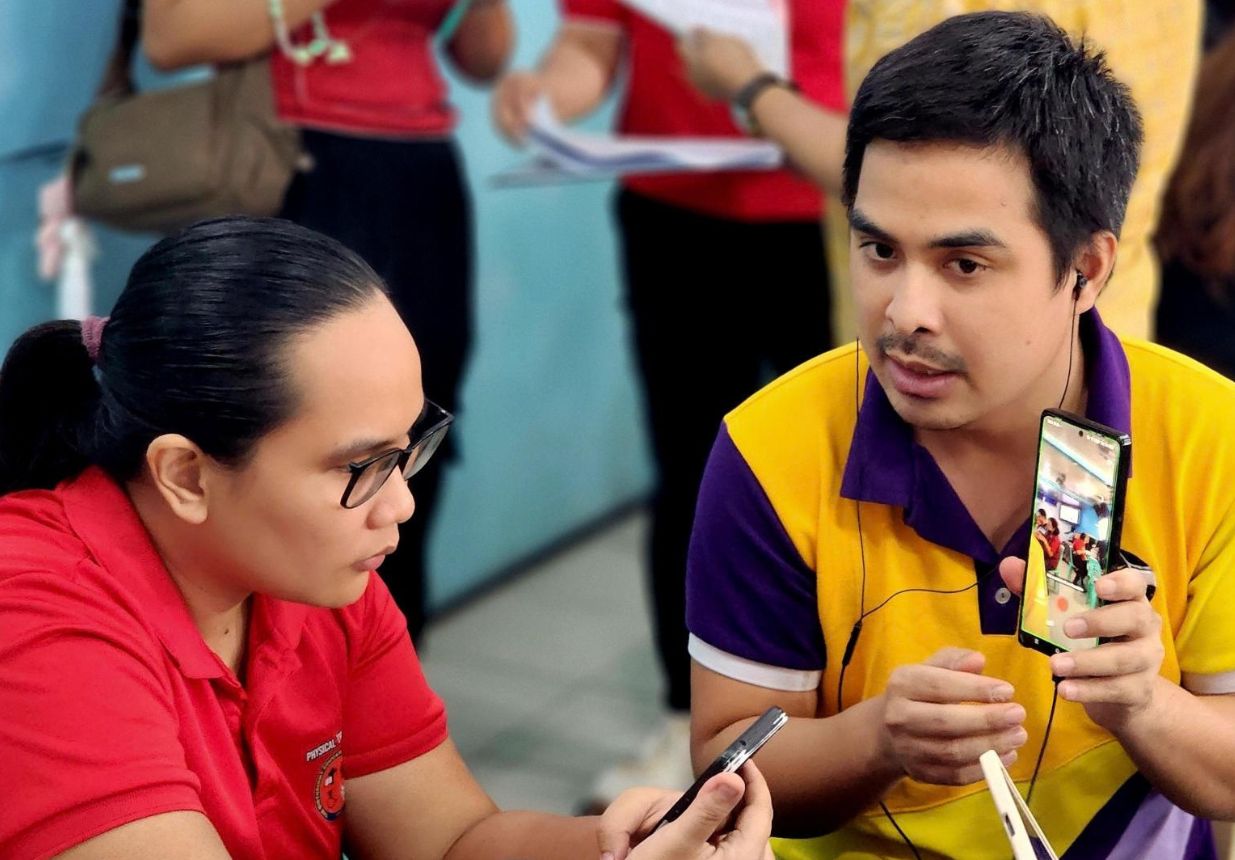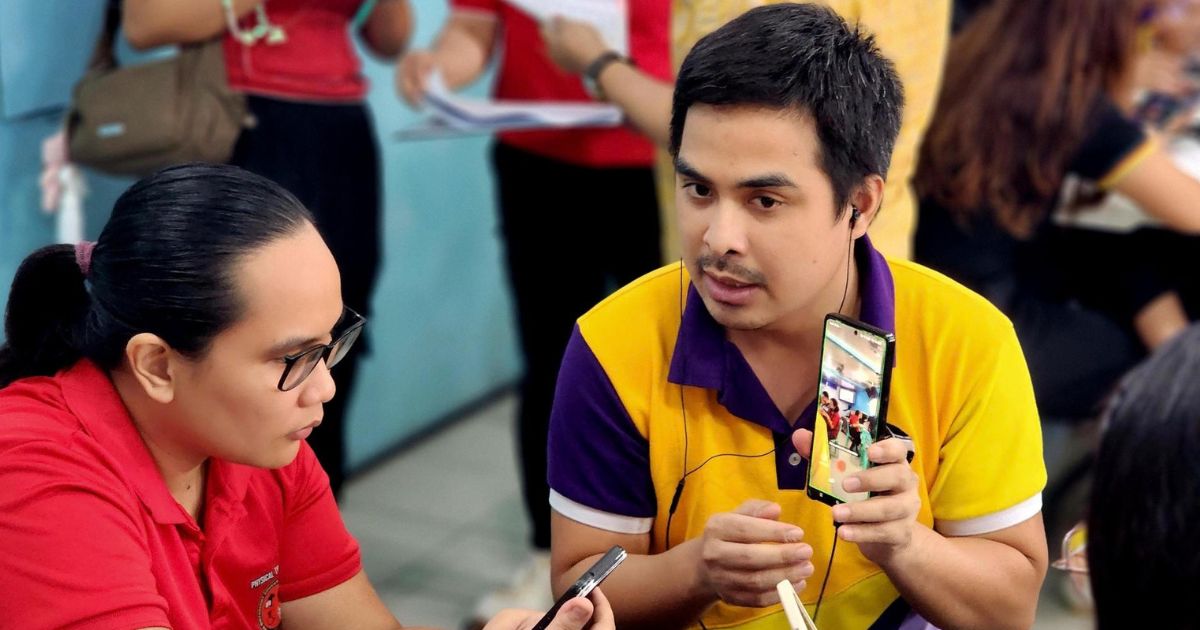
Teachers in Muntinlupa are exploring how artificial intelligence (AI) can help make everyday learning more accessible to students with disabilities, from communicating with a nonverbal learner to providing real-time captions and creating visual materials for young children.
Through ‘AI for Accessibility’, a training initiative under PLDT and Smart’s #KonektedforInclusionprogram, Special Needs Education and general education teachers from schools and institutions across Muntinlupa learned how AI-powered accessibility tools can address some of the challenges they encounter in their classrooms and communities.
“Technology becomes more meaningful when it responds to real needs,” said Stephanie V. Orlino, AVP and Head of Stakeholder Engagement at PLDT and Smart. “By working with teachers who understand the day-to-day realities of students with disabilities, we can help bring digital tools closer to the classroom and, ultimately, to the students and families who can benefit from them.”
Conducted by PLDT and Smart together with ATRIEV, in partnership with The Birthright Educators Foundation Inc., the workshop introduced participants to assistive technology such as Seeing AI, Live Transcribe, Speech Assistant AAC, Avaz AAC, Gemini Notebook and other applications that can support communication, learning and everyday activities.
Rather than treating AI as simply another technology to learn, participants were encouraged to look at how these tools could respond to specific needs among their students.
.jpg)
“I have a student who is nonverbal and has difficulty communicating,” said Mary Ann Dalo, a Special Needs Education teacher. “Speech Assistant could give that student another way to express themselves.”
She also saw potential in Live Transcribe, which converts spoken words into text in real time and could help students who are deaf or hard of hearing, particularly in situations where teachers or classmates may not know sign language.
The workshop also broadened the teachers’ understanding of who can benefit from accessible technology. Zenith Gofredo of the DepEd Inclusive Learning Resource Center in Muntinlupa said AI can provide additional support not only to people with visual disabilities but to anyone who encounters barriers in learning or communication.
“One of the things I learned is that AI is not only for people who are blind. It can also help anyone who is struggling and needs additional support,” she said. Gofredo plans to share the lessons with fellow teachers and emphasizes the importance of bringing parents into the conversation.
For preschool teacher Danielle Abrasaldo, AI can also help address a more basic classroom need – creating visual learning materials for young children, “I realized that we can really use AI to teach children, not just children with special needs, but children in general. Preschoolers are very visual learners, so these tools can help us make our lessons more engaging and accessible.”
.jpg)
She also said that using AI can create templates that can be saved and reused when needed instead of repeatedly drawing and photocopying materials.
Other participants saw applications beyond the classroom. Jb Alexis Alambro, who works in early childhood education in Muntinlupa, explored how NotebookLM could help create visual materials for young learners, while Live Transcribe could provide real-time captions during meetings with parents and families.
The experience also encouraged participants to introduce accessibility tools to their students and help them understand how technology can support people with different needs.
“I was amazed by the tools we learned, especially Seeing AI, because I saw how it can help people with visual disabilities in their daily lives,” said Kimberly Raye Fernandez of The Birthright Educators Foundation Inc. “I want to explore these tools further and introduce them to my students so they can become more aware of technology that can also help their classmates.”
The participants also recognized that introducing AI in schools requires teachers to first understand the tools themselves. They plan to test these innovations, identify which ones are most useful for their students, and share their experiences with fellow educators and parents.
The initiative is part of PLDT and Smart’s #KonektedforInclusion program, which harnesses technology to help underrepresented sectors gain greater access to learning and livelihood opportunities. It also reinforces the PLDT Group’s commitment to helping the country achieve the United Nations Sustainable Development Goals particularly SDG 10 on reducing inequality.