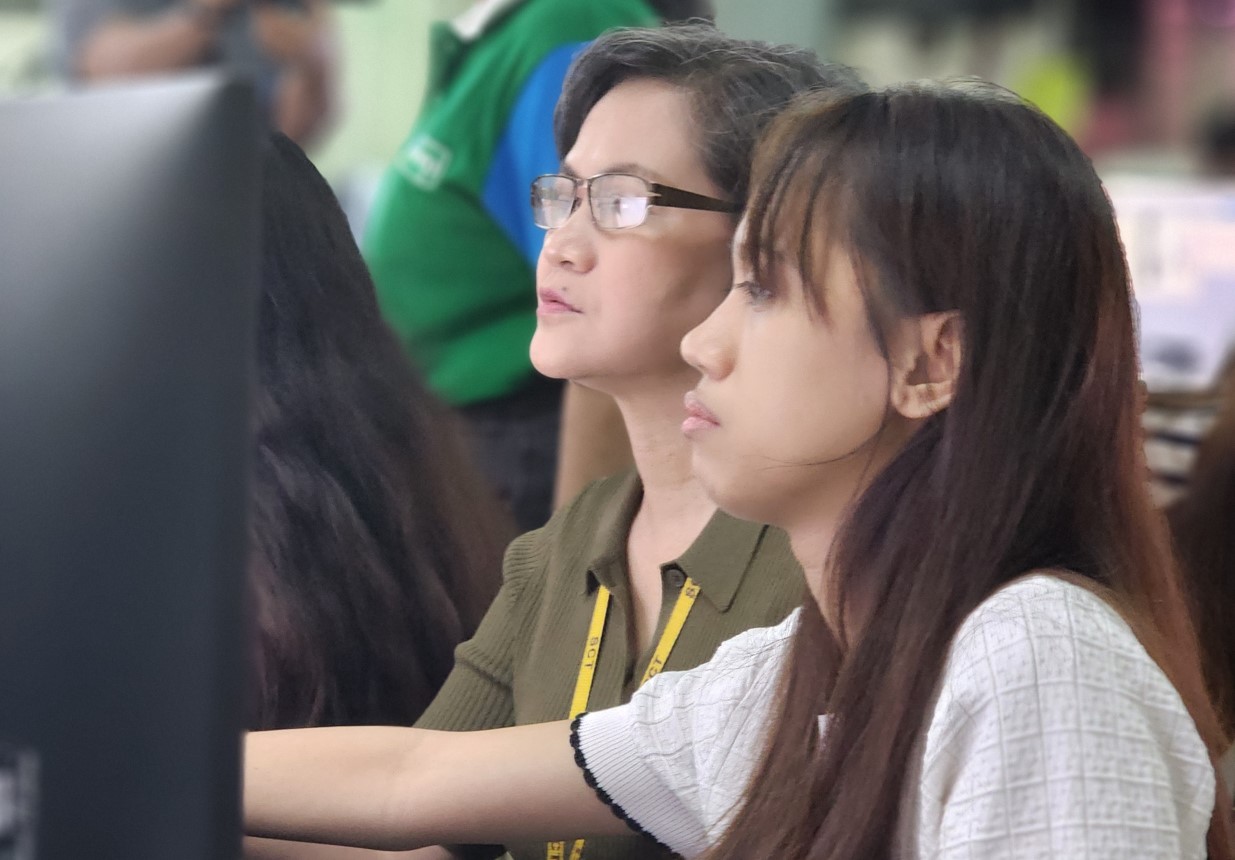
Partner schools under the Smart Wireless Engineering Education Program (SWEEP) are leveling up to take on artificial intelligence (AI). SWEEP, the Philippines’ longest running industry-academe linkage program, itself has officially entered Phase 5, which integrates AI, automation, and intelligent systems into engineering education, aligning academic training with how modern telecom networks are now designed, operated, and optimized.
“AI is reshaping the way modern networks operate, and we need engineers who understand that development,” said Eric Santiago, Smart Head of Network Strategy and Architecture. “SWEEP brings students closer to the technologies we deploy every day—automation, data-driven diagnostics, and intelligent systems. They’ll learn how these innovations support real operations, real customers, and real business decisions.”
The next chapter introduces students to practical AI skills: prompt engineering, AI-assisted coding, data analysis, generative tools, and automated decision systems that can further spur rapid innovations and revolutionize customer experience. The focus goes beyond handing students AI tools—it’s about helping them build the problem-solving skills and design perspective necessary to implement AI responsibly in real-world situations.
From virtual simulations to connected digital universes, SWEEP is also giving students a front-row seat to the future of immersive technology. Extended reality (XR)—spanning virtual, augmented, and mixed reality—unlocks interactive environments, blurring the line between the physical and digital worlds. The metaverse opens connected digital ecosystems for collaboration, learning, and innovation.

Phase 5 also explores Network Disaggregation or the process of breaking down traditional, all-in-one networking equipment into separate, modular components that can work together. This allows enterprises to mix and match open hardware, software, and network functions from different providers.
As part of the SWEEP community, students benefit from mentorships by Smart engineers, learning how advance technologies optimize systems monitoring and diagnostics, customer support workflows, preventive maintenance, and other everyday applications.
“SWEEP represents a rare industry-academe partnership that opens doors to future-ready careers,” said Stephanie V. Orlino, AVP and Head of Stakeholder Engagement at Smart. “The latest module positions graduates to compete—not just locally, but globally—by giving them the technical depth and practical experience needed to thrive in a digitally powered economy.”
By the end of 2025, five schools renewed their membership to embrace an AI-powered future. These are Siena College of Taytay in Rizal, Saint Mary’s University in Nueva Vizcaya, Holy Cross of Davao College in Davao City, Notre Dame of Marbel University in South Cotabato, and Ateneo de Zamboanga University in Zamboanga City.
Since 2003, SWEEP has helped train over 42,000 faculty members and students including the admission of more than 4,000 individuals to the PLDT Group’s internship programs. The initiative has also produced six startups. Smart has also welcomed more than 1,130 graduates of partner-schools into the company.