The University of Baguio is setting its sights on artificial intelligence, doing so through a partnership with Smart Communications, Inc. (Smart) that’s more than two decades strong. Elevating the partnership to new heights, the university has renewed its membership in the Smart Wireless Engineering Education Program (SWEEP), the Philippines’ longest-running industry-academe collaboration.
"Through our partnership with Smart, our learners are exposed to modern technologies, procedures, and innovations that help them become more confident and industry-ready," said Dr. Javier Herminio D. Bautista, President of the University of Baguio. "As technology moves quickly, especially with AI, we look forward to turning more theory into practice and more practice into innovation. Who knows, this partnership could help our graduates become global leaders."
.jpg)
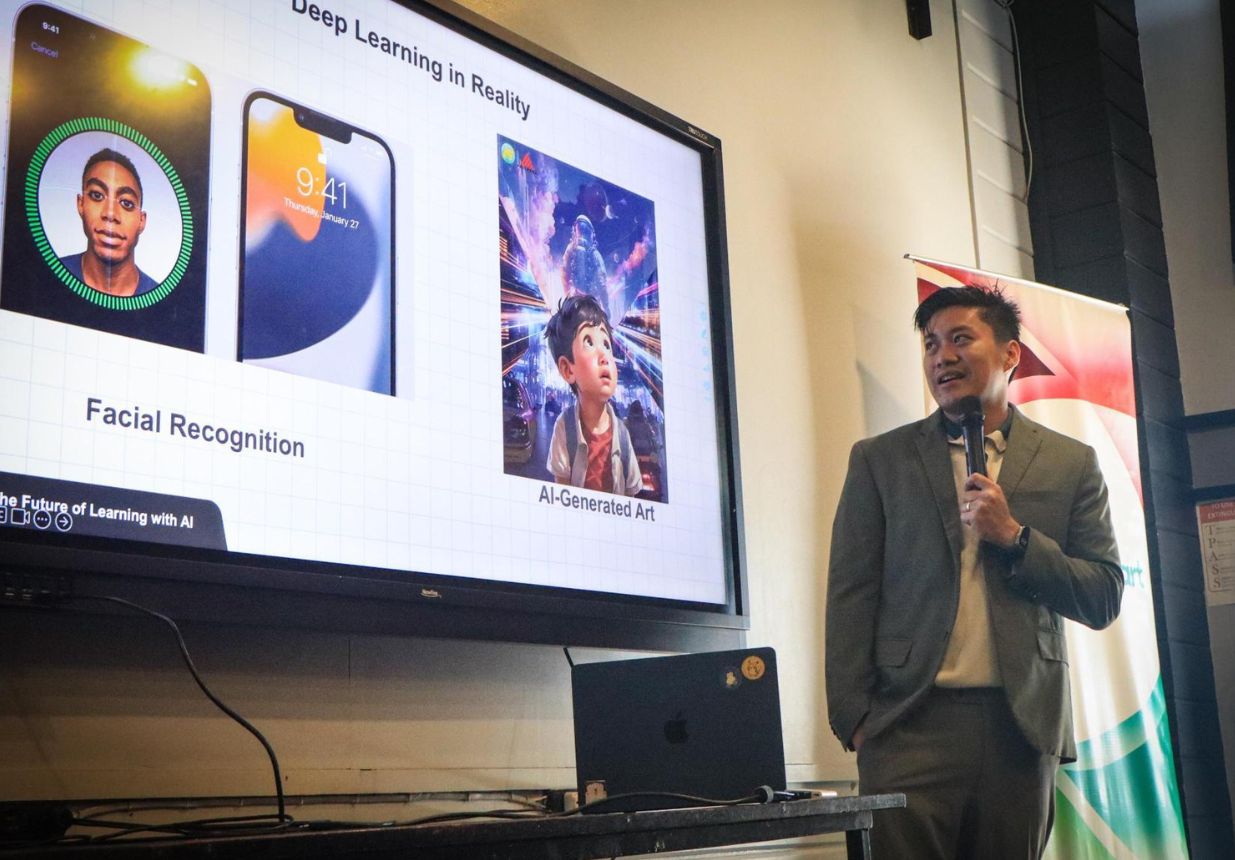
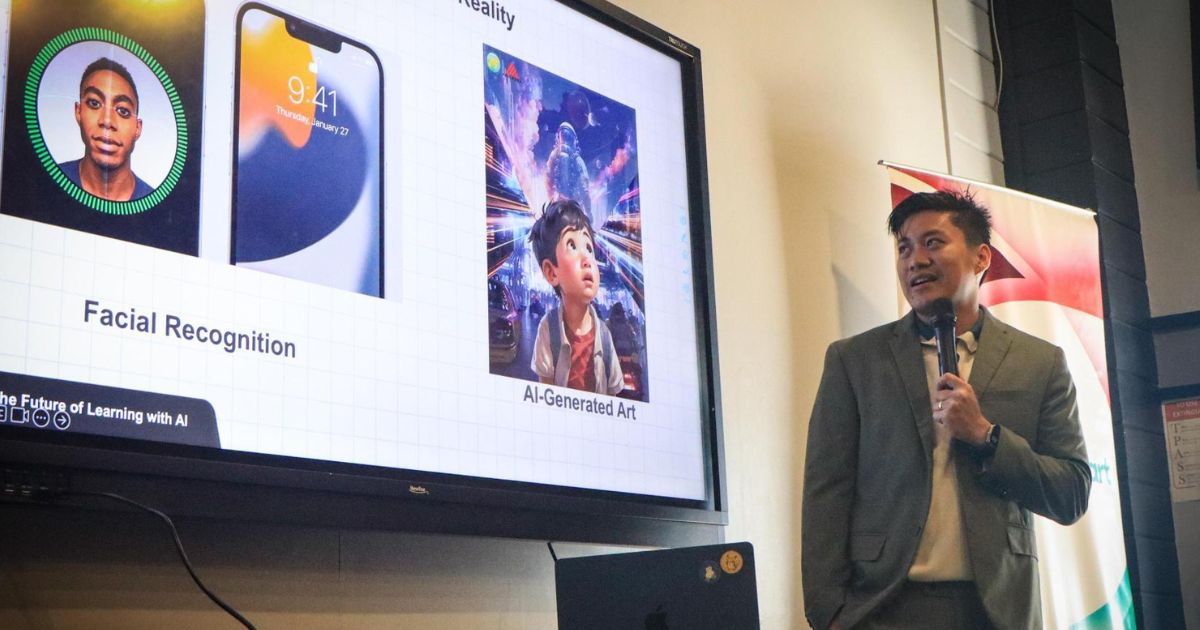
PLDT and Smart host an AI bootcamp for lecturers from the School of Engineering and Architecture, alongside teachers from the grade school and high school departments.
Now on Phase 5, the focus is squarely on advanced digital technologies and intelligent systems, with students and faculty set to explore AI, the metaverse, extended reality, and network disaggregation.
"We are excited that UB educators and students will use these tools to create solutions, explore new ideas, and shape their own future," said Stephanie V. Orlino, AVP and Head of Stakeholder Engagement at PLDT and Smart. "Partnerships like this are essential because technology alone is not enough. We need institutions, faculty committed to learning, and leaders who invest in their students."
.jpg)
(L-R) Allan Difuntorum, Smart Senior WNFS Supervisor, Network Service Operations; Cynthia Capua, Smart Network Strategy and Engineering Manager; Dr. Javier Herminio D. Bautista, President of the University of Baguio; AR/EnP. Ryan M. Benaoe, MAEHP, Dean of UB School of Engineering and Architecture
To kick off the partnership, PLDT and Smart ran an AI bootcamp for lecturers from the School of Engineering and Architecture, alongside teachers from UB's grade school and high school departments. Notably, the session wasn't a first introduction for everyone in the room as several educators were already experimenting with AI tools on their own. Instead of a primer, the bootcamp offered a deeper technical grounding, paired with a pointed conversation on the ethics of AI use in academic settings.
"The world is rapidly shifting from manual processes to automation, and Artificial Intelligence is at the heart of that transformation," said Dean AR/EnP. Ryan M. Benaoe of UB's School of Engineering and Architecture. "That's why we're encouraging our faculty members to develop the knowledge and skills to use AI responsibly and ethically in the classroom."
.jpg)
Dr. Javier Herminio D. Bautista, President of the University of Baguio, tries virtual reality applications.
The hands-on sessions covered practical classroom applications – using AI to draft lesson plans, verify information, generate quizzes, and build presentation slides. For some educators, the shift was less about learning something new and more about using it better.
"AI has made my work more efficient because it helps with tasks like checking exams, giving me more time to provide meaningful feedback to my students," said Dr. Marilou Saong, a Chemistry professor at UB. "I also use it to adapt my lessons and examples to fit different engineering programs without changing the level of difficulty."
Pamela Miranda, a Grade 7 teacher, echoed the sentiment emphasizing that the technology assists but doesn't replace the teacher. "I use it as a blueprint or guide for ideas," she said. "But I always adapt, verify, and personalize the content because effective teaching still comes from the teacher."
.jpg)
UB has been part of SWEEP since 2003, one of the program's longest-standing partners. In 2025, UB students visited the PLDT and Smart Technolab to get an early look at emerging wireless innovations.
Since its launch, SWEEP has trained more than 41,095 faculty members and students, funneled over 4,000 individuals into the PLDT Group internship programs, and produced six startups. Over the years, more than 1,130 graduates from partner schools have gone on to join Smart.
PLDT and Smart's collaborations with learning institutions are grounded in the PLDT Group's #KonektedforLearning program that champions initiatives and the use of technology to ensure that there will be #NoLearnerLeftBehind. These efforts highlight the PLDT Group's commitment to helping the Philippines achieve the United Nations Sustainable Development Goals particularly SDG 4 on Quality Education.