For smallholders to truly thrive in the digital economy, technology is already a given; what drives the shift to digital agriculture is a fully integrated ecosystem — where infrastructure, service delivery, adoption enablement, and partnerships work together to turn access into impact.
“This is why for PLDT and Smart, we have been working on going beyond connectivity — integrating technology, connectivity, digital skills, market access, and partnerships — to enable meaningful participation of over 50,000 farmers and MSMEs in the digital economy,” said Stephanie V. Orlino, Assistant Vice President and Head of Stakeholder Engagement at PLDT and Smart.
At the “Digital Roots: Transforming Smallholder Agriculture Through Innovation” symposium held in Seoul, South Korea, Orlino highlighted the impact of PLDT and Smart’s #KonektedForLivelihoods programs, upskilling farmers and MSMEs on mobile technology and digital tools and platforms, enabling them to scale and increase their incomes by up to 400%.
.jpg)
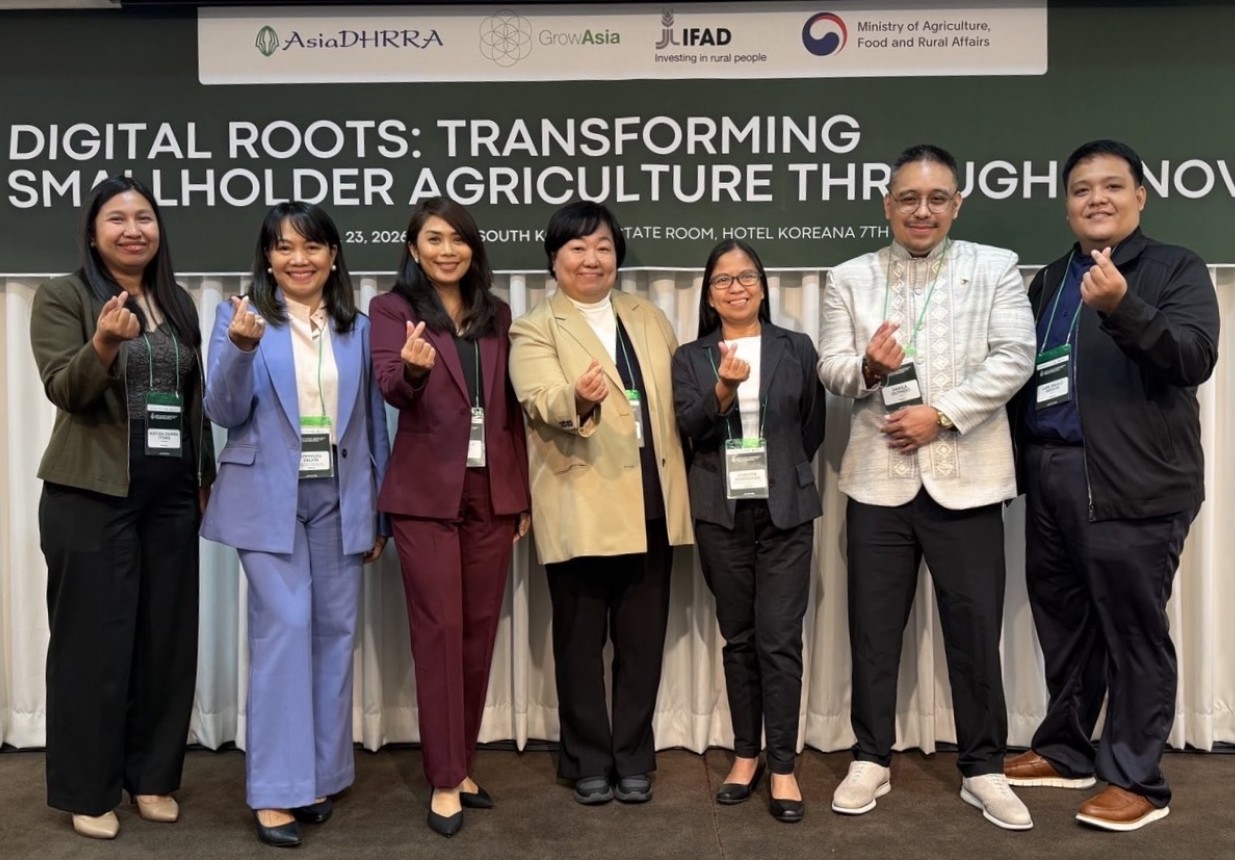
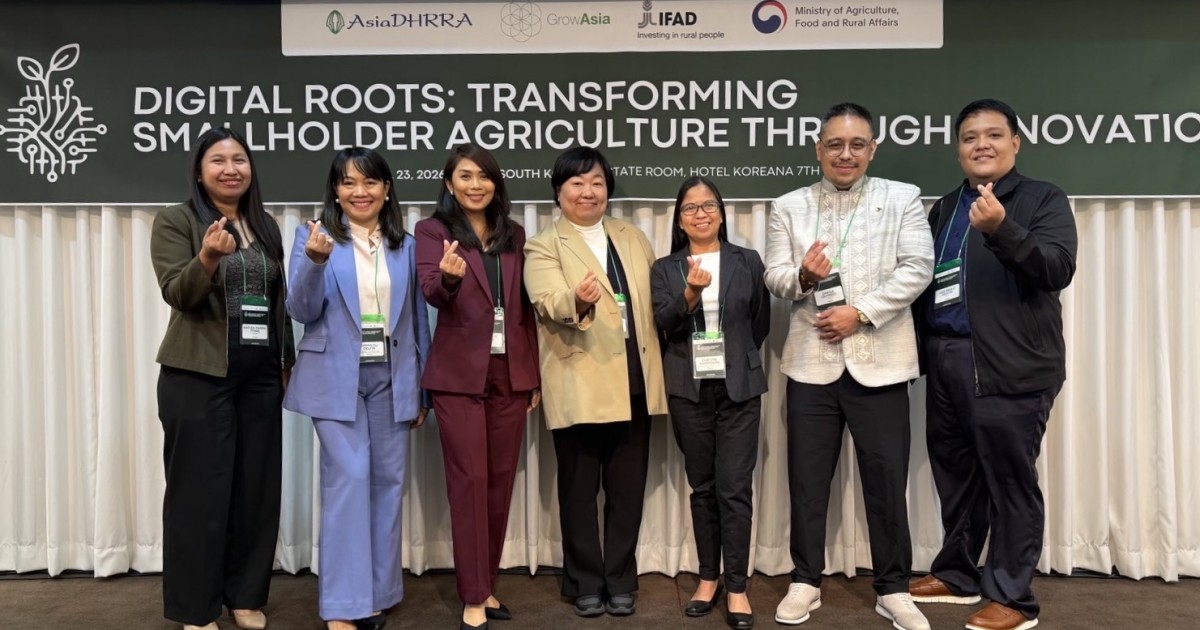
Kat Itong, PhilDHRRA; Emmy Delfin, DICT; Stephanie Orlino, PLDT and Smart; Yang Ji-Yeon, MAFRA; Christie Marasigan-Matulatula, Agrarian Reform Community Cooperative; Dakila Olfindo, Mayani; and Paulo Geolin, GoEden
“To sustain and expand our impact, we work with over 100 partners across government, civil society, academe, the startup community, private sector, and local community organizations, which contribute resources for the trainings, digital platforms, devices, and their own expertise for scale and sustainability. This has transformed what began as just our own programs into a co-owned digital agriculture ecosystem,” she said.
Biggest barrier for farmers
According to Orlino, the biggest barrier remains to be the fragmentation of services or support. “When technology, connectivity, digital skills, and market access are all delivered separately, the farmers are expected to connect everything themselves. When you provide farmers with the technology but without the capability, then they won’t be able to use it. And even if they have the know-how, without access to market, then there’s no income,” she said, adding that PLDT and Smart have focused on integrating all the components into a single ecosystem, paving the way for digital transformation to produce real livelihood outcomes.
Orlino also supports working with other industry stakeholders toward achieving specific government-mandated digital agriculture targets to align various ongoing initiatives for scale and impact. “Government support, particularly for infrastructure, is crucial, particularly for missionary areas,” she said.
.jpg)
Marlene Ramirez, Secretary General of AsiaDHRRA; Annalyn De Guia, DLG Asia Pacific; Liliana Quesada, IFAD (facilitator); Lorna Belinda Calda, DA-FPOPD; Stephanie Orlino, PLDT and Smart; Dr. Carlito Balingbing, IRRI; and Jeffrey Barreiro, Mayani
The symposium panel on financing and public-private partnerships was part of the Smallholder Economic Empowerment through Digital Solutions (SEEDS) project and also featured speakers from DLG Asia Pacific, International Rice Research Institute (IRRI), Mayani, and the Philippine Department of Agriculture, and was moderated by International Fund for Agriculture Development (IFAD).
Implemented by Asian Partnership for the Development of Human Resources in Rural Asia (AsiaDHRRA) and Grow Asia with support from IFAD and Republic of Korea’s Ministry of Agriculture, Food and Rural Affairs (MAFRA), the SEEDS Project aims to accelerate the social and economic development of smallholder households and farmer organizations in Cambodia, Philippines, and Vietnam by promoting the adoption of digital agriculture solutions.
PLDT and Smart are part of the Technical Working Group of the AsiaDHRRA SEEDS Project representing the private sector. PLDT and Smart also lead the Digital Agri Working Group of the Philippine Partnerships for Sustainable Agriculture (PPSA).