Nearly two years ago, Smart Communications, Inc. teamed up with Khan Academy and the Department of Education as part of a broader effort to strengthen the academic performance of Filipino 15-year-old students in Reading, Mathematics, and Science.
The partnership came as the Philippines was coming off a difficult showing in the 2022 Programme for International Student Assessment (PISA), where Filipino students ranked among the lowest-performing participants. PISA, conducted by the Organisation for Economic Co-operation and Development (OECD), measures how well 15-year-old students can apply their knowledge and skills in mathematics, reading and science to real-world situations.
The Philippines has participated in PISA since 2018, with results pointing to persistent learning challenges. Recognizing that addressing these challenges would require a sustained, multi-sector effort, the partners committed to supporting efforts to strengthen learning outcomes.
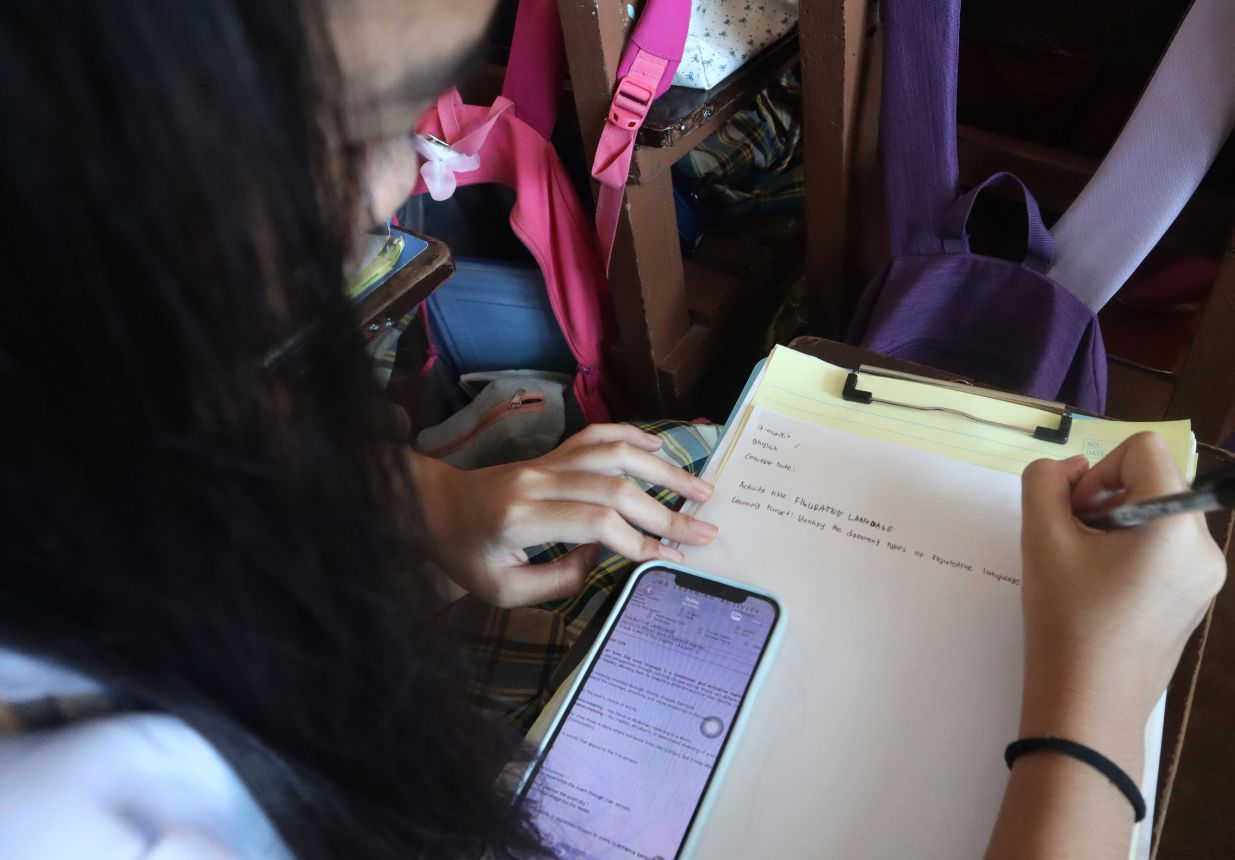
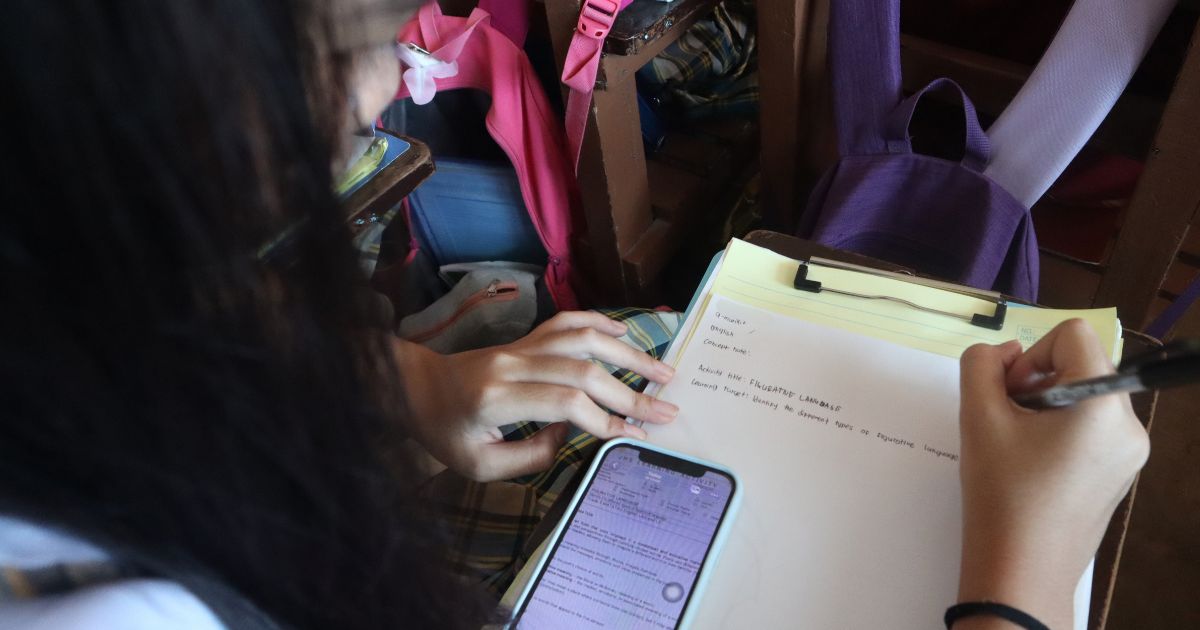
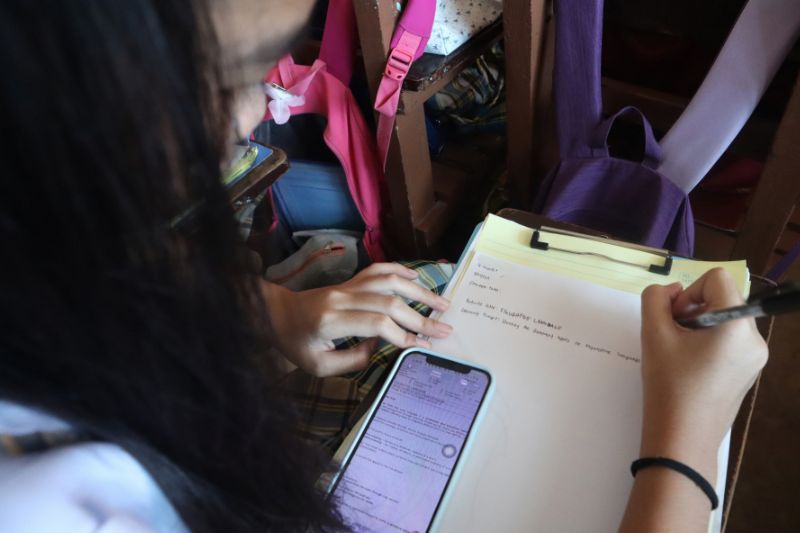
To give students greater access to online learning resources, Smart launched POWER ALL KHAN ACADEMY 99, a prepaid offer that provides customers with unlimited access to Khan Academy, along with 10 GB of data and unlimited calls and texts.
Khan Academy offers free educational resources, including lessons, exercises and personalized learning tools. The platform is designed to help students learn at their own pace, while giving teachers tools to monitor progress and identify areas where learners may need additional support.
The latest PISA results offer a measure of encouragement. Filipino students posted higher average results in Reading, Mathematics and Science in PISA 2025 compared with both 2022 and 2018, marking the country's strongest performance across the three subjects since it began participating in the assessment.
The results cannot be attributed to any single program or intervention. But for the partners, they underscore the value of collaboration and sustained work to give students and teachers better tools and greater access to learning.
“No single organization can solve the country’s learning challenges on its own. What we can do is find partners who share the same commitment and bring our respective strengths to the table. For Smart, that means using our connectivity and technology to help put better learning opportunities within reach of more Filipino learners,” according to Lloyd R. Manaloto, First Vice President and Officer-in-Charge at Smart.
“Improving learning outcomes takes more than any one organization or solution,” said Geraldine Acuña-Sunshine, Founder and Chief Executive Officer of Khan Academy Philippines. "It takes sustained collaboration among educators, governments, communities, and partners who believe that every learner should have access to high-quality learning resources. We are proud to work with DepEd and Smart to help make learning more accessible to Filipino students and support teachers in their work.”
Beyond the Khan Academy partnership, PLDT and Smart have continued to support programs that use technology and teaching methodologies to address learning challenges, particularly among students in underserved communities.
Through #KonektedforLearning, PLDT and Smart have supported the Department of Education in bringing the Central Visayan Institute Foundation Dynamic Learning Program (CVIF-DLP) to schools across the country. The pedagogy encourages students to become more independent learners through curated, single-page educational materials called Learning Activity Sheets, which students can work on with minimal teacher intervention. Since 2010, PLDT and Smart have played a pivotal role in scaling CVIF-DLP nationwide. Through sustained support, the PLDT Group has helped train over 32,000 teachers and implement the program in more than 1,000 schools across preschool, elementary, secondary, and tertiary levels, including special needs education.
“The gains reflected in PISA 2025 are a source of encouragement for everyone working to improve learning outcomes in the Philippines," said DepEd Sec. Sonny M. Angara. “They also remind us that progress is built over time and through the collective work of our teachers, learners, families, government, and partners from the private sector. We value partnerships that expand access to learning resources and give our teachers and learners additional tools to help them succeed.”
PLDT and Smart’s School-in-a-Bag program, meanwhile, brings digital learning resources to last-mile schools, including communities that are difficult to reach by conventional means. Each kit includes a laptop for the teacher, tablets preloaded with interactive learning applications for reading and numeracy, an LTE pocket WiFi device, and storage containing DepEd curriculum-based learning materials.
For more than two decades, the PLDT Group has worked with the Department of Education and other partners to expand access to quality education. Its work spans connectivity, digital learning resources and teaching innovations, supporting efforts to address learning challenges and build a more resilient education system. These initiatives also contribute to PLDT and Smart’s commitment to the United Nations Sustainable Development Goal 4 on Quality Education, which calls for inclusive and equitable quality education and lifelong learning opportunities for all.
The latest PISA results offer a reason for optimism, but also a reminder that improving learning outcomes is a long-term undertaking—one that will require sustained action from government, educators, the private sector and communities.
For PLDT and Smart, the role is to remain a partner in that effort, working with organizations that share the same commitment to help make learning more accessible to Filipino students.